Nuisance Pests of the Pacific Northwest
Reviewed by TJ Jackson, Certified ACE · Updated 2026-07-24
Category: Nuisance Pests | 6 species covered | ✓ All covered under All Seasons Pest Plan
Some pests damage your home. Some spread disease. And then there are the ones that are just there — in the bathroom, along the baseboards, clustered on a sunny wall every fall. Nuisance pests are the harmless-but-everywhere invaders of Pacific Northwest homes. Most are drawn in by moisture or cooling temperatures, and nearly all can be managed once you know what you’re looking at. Below are the six we get asked about most in Oregon and Washington.
Quick Answer: The Pacific Northwest is home to six commonly encountered nuisance pests: earwigs (pincers that look scary but are harmless), silverfish (fast, silver, damage paper and fabric), springtails (tiny jumping bugs that swarm damp areas), centipedes (many-legged, unsettling, but mostly beneficial), stink bugs (shield-shaped fall invaders), and boxelder bugs (black-and-orange, cluster on sunny walls). None are medically significant. Most come inside for moisture or to escape cooling fall temperatures.
Most important distinction: Nuisance pests are an annoyance, not a threat. They don’t damage structures or spread disease, and several are drawn in by fixable moisture problems.
Common Nuisance Pests in Oregon & Washington Homes
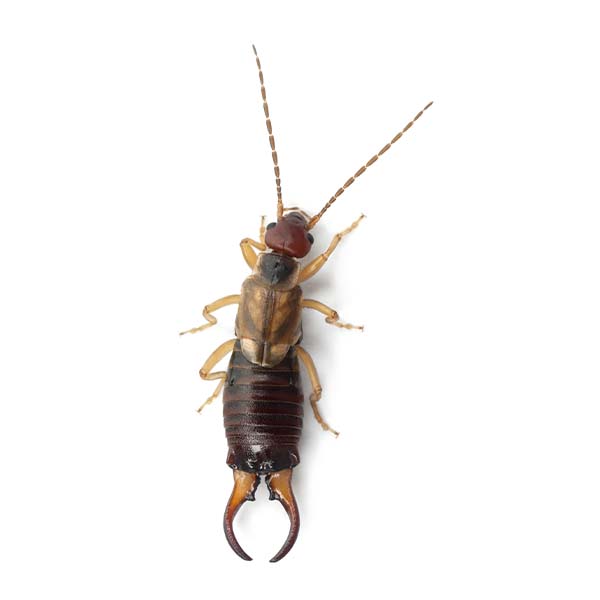
Earwigs
NuisanceOrder Dermaptera
Those rear pincers look alarming, but earwigs don’t crawl in your ears and can’t hurt you. They’re moisture-loving night feeders that turn up in damp basements, bathrooms, and garden beds.
- Size:
- 1/4″–5/8″
- Top ID:
- Rear forceps-like pincers
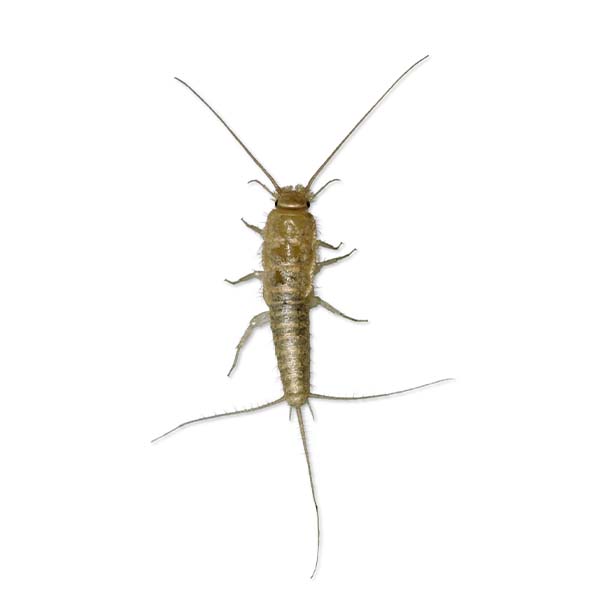
Silverfish
Damages ItemsLepisma saccharinum
Fast, wingless, and silver, with a wriggling swim-like motion. Silverfish feed on paper, glue, and starchy fabric, which means they can damage books, wallpaper, and stored clothing over time.
- Size:
- 1/2″–3/4″
- Top ID:
- Silver, teardrop body, 3 tail bristles
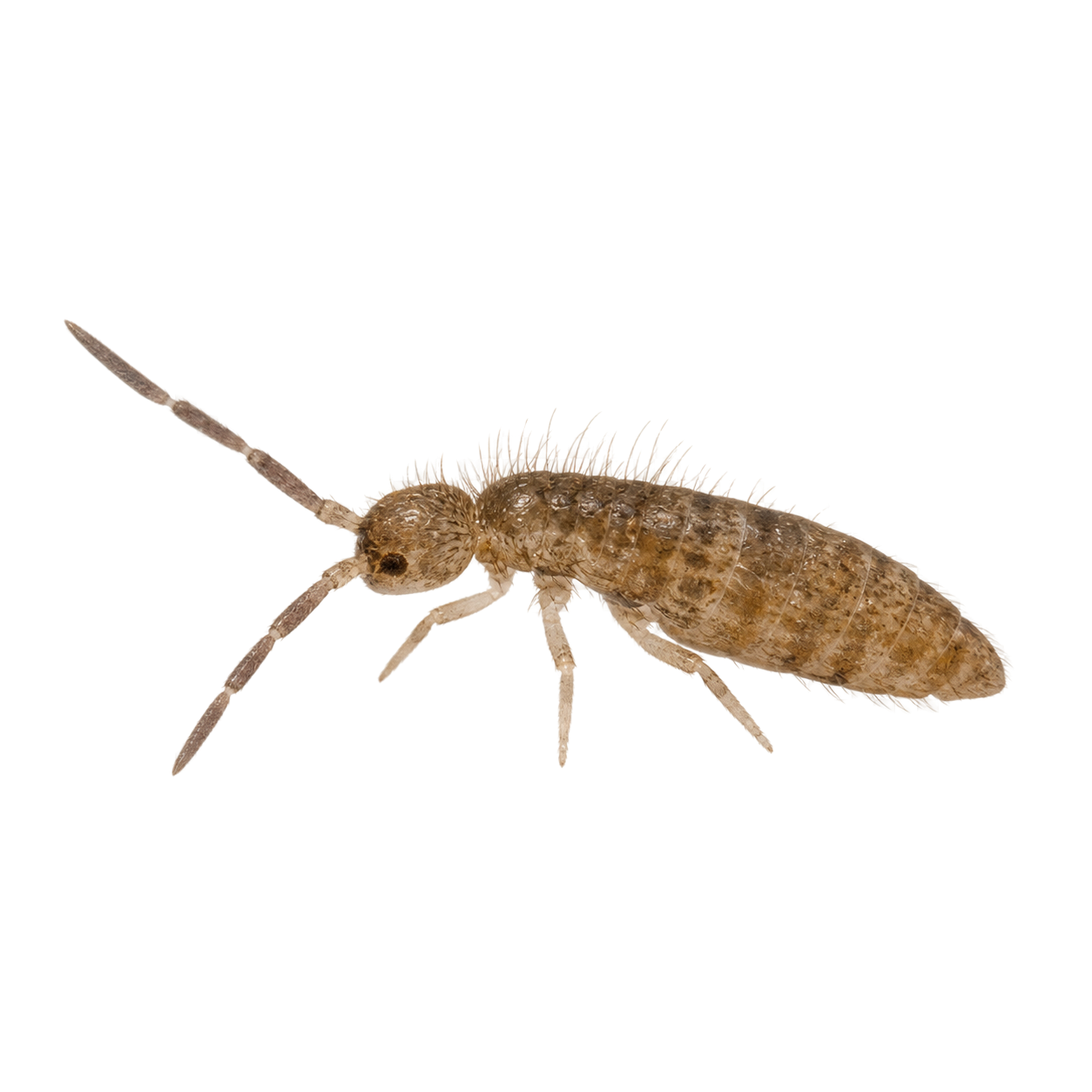
Springtails
NuisanceClass Collembola
Tiny bugs that appear by the thousands in damp soil, drains, and bathrooms, jumping when disturbed. They’re harmless and don’t bite — but their sheer numbers signal a moisture problem worth addressing.
- Size:
- Under 1/16″
- Top ID:
- Tiny, jump when disturbed, near moisture
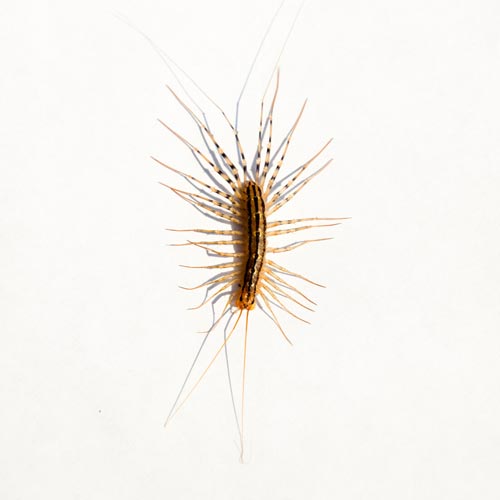
Centipedes
BeneficialClass Chilopoda
Fast and many-legged, house centipedes look unsettling but are genuinely useful — they hunt and eat other household pests. They can deliver a mild pinch if handled, but they’re otherwise harmless.
- Size:
- 1″–1.5″
- Top ID:
- Many long legs, very fast
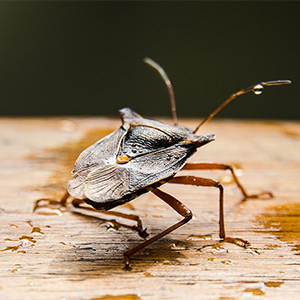
Stink Bugs
InvasiveHalyomorpha halys
Shield-shaped and slow-moving, the invasive brown marmorated stink bug sneaks indoors every fall to overwinter. Don’t squish them — the smell is exactly what it sounds like. Vacuuming is the better call.
- Size:
- 1/2″–5/8″
- Top ID:
- Shield shape, mottled brown
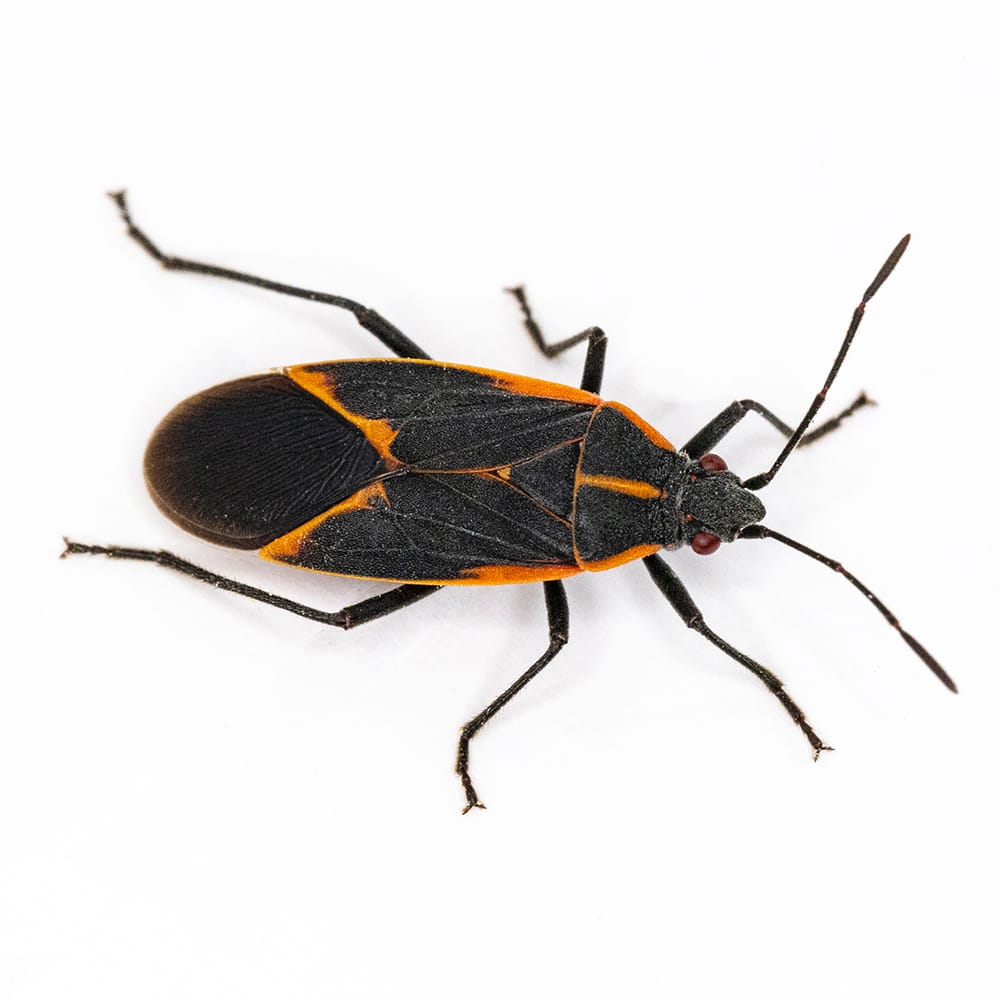
Boxelder Bugs
NuisanceBoisea rubrolineata
Black with distinctive orange-red markings, boxelder bugs cluster in the hundreds on warm, sunny south- and west-facing walls each fall before working their way inside to overwinter. Harmless, but hard to ignore.
- Size:
- 1/2″
- Top ID:
- Black with orange-red lines
Nuisance Pest Identification — FAQ
Quick answers to the questions we get most often.
What are nuisance pests?
Insects and arthropods that invade homes in noticeable numbers but don’t damage structures, spread disease, or pose a real health risk. In the PNW the most common are earwigs, silverfish, springtails, centipedes, stink bugs, and boxelder bugs. They’re more of an annoyance than a threat.
Why do nuisance pests come inside?
Moisture and temperature. Silverfish, springtails, centipedes, and earwigs are drawn to damp areas like bathrooms, basements, and crawl spaces. Stink bugs and boxelder bugs come inside in fall to overwinter. Reducing indoor humidity and sealing exterior entry points solves most nuisance pest problems.
Are nuisance pests dangerous?
Generally no. None of the common PNW nuisance pests are medically significant. Centipedes can deliver a mild pinch if handled and some people dislike stink bug odor, but none pose a real health threat. Several are actually beneficial — centipedes prey on other household pests.
Does the All Seasons Pest Plan cover nuisance pests?
Yes — all six common PNW nuisance pests are covered, with recurring exterior treatments and free re-service visits if activity returns between appointments.
Plans That Cover PNW Nuisance Pests
All Seasons Pest Plan
$39/month
Setup fee ~$260 for initial treatment
Year-round protection from the pests Pacific Northwest homeowners deal with most — earwigs, silverfish, springtails, centipedes, stink bugs, boxelder bugs, and more.
- Recurring exterior treatments
- Interior treatment on request
- Free re-service between visits
Pest & Rodent Bundle
$47/month
Setup fee ~$280 for initial treatment
The most complete protection for your home. Full pest coverage plus active rodent monitoring — one plan, one team, one less thing to worry about.
- Everything in the Pest Plan
- Active rodent monitoring
- Free re-service guarantee