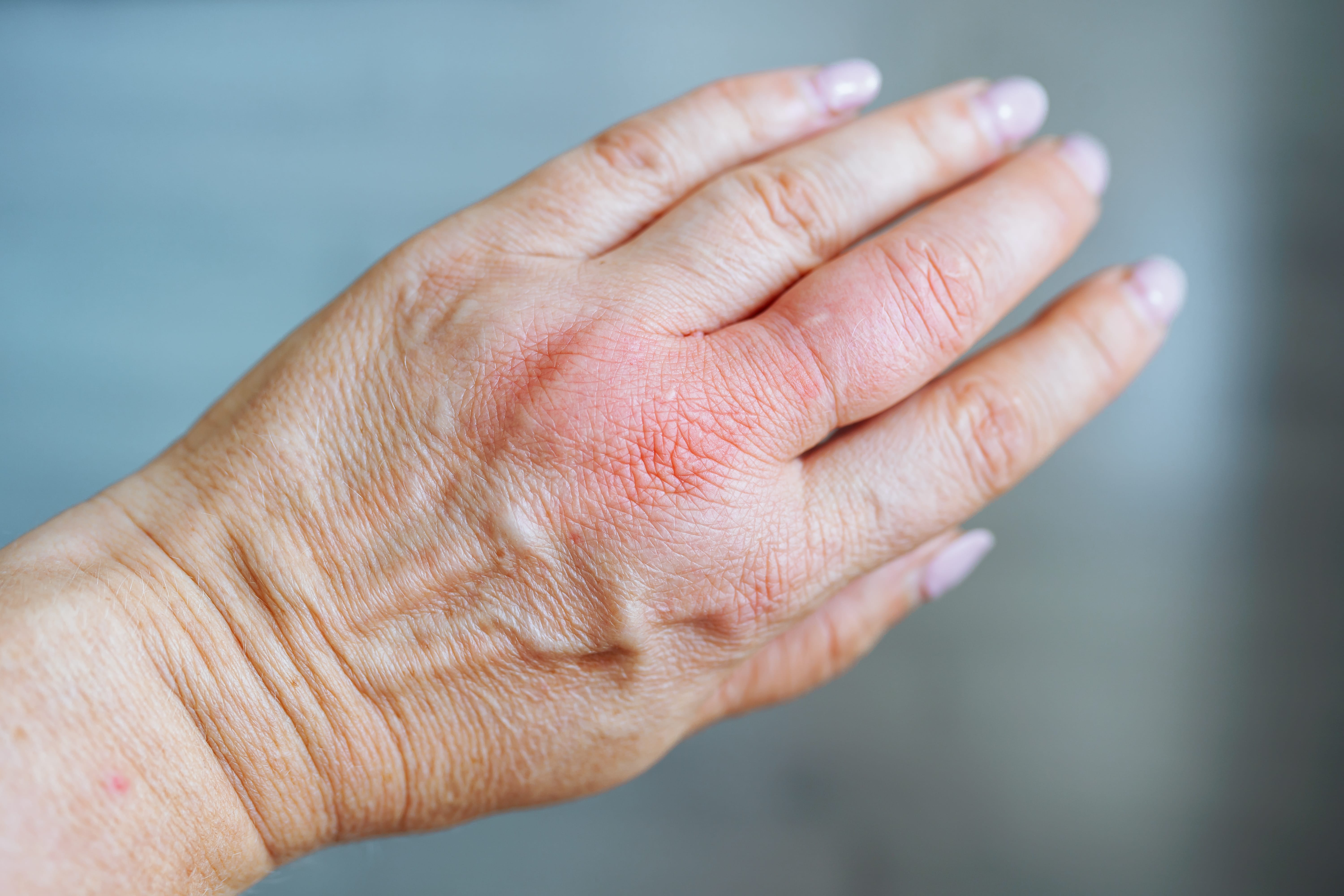
Late summer is peak season for backyard barbecues, lake days, and evenings on the deck. It is also peak season for yellowjackets and wasps, and along the I-5 corridor those two things tend to happen in the same square footage. If it feels like the stinging insects around your grill and garbage cans have gotten bolder over the past few weeks, you are not imagining it.
We wanted to get ahead of it with a straightforward look at stinging-insect safety: why these insects get more dangerous this time of year, the simple habits that prevent the vast majority of stings, what to do if someone does get stung, and when it makes sense to bring in a professional.
We have been a family-owned part of the Pacific Northwest since 1963, and stinging-insect season is one where a little knowledge goes a long way. Here is what every homeowner should know before the late-summer peak.
Short answer: Stinging insects are at their most active and most defensive in late summer, when colonies hit peak size and begin their natural decline. Most stings are preventable with simple habits like covering food and drinks, checking open cans, and never swatting or sealing a nest yourself. Nationally, stings send more than half a million people to the emergency room each year and cause around 72 deaths, so knowing basic safety and when to call a professional genuinely matters. Yellowjackets cause most stings along the I-5 corridor. Honey bees and bumble bees are pollinators, not pests, and should be left alone or relocated by a beekeeper.
Why Are Stinging Insects More Dangerous in Late Summer?
Short answer: A yellowjacket nest starts with a single queen in spring and can grow to thousands of workers by August. As natural food dries up and the colony begins its fall decline, the insects scavenge more aggressively and sting with far less provocation. Bigger colonies plus shorter tempers make late summer the riskiest stretch of the year, which is why prevention now matters more than it did in June.
Stinging insects are weather-driven and seasonal. A yellowjacket nest begins small in spring, built by one overwintering queen. All summer long she raises workers, and by August a healthy nest can hold thousands of them. Then the season turns. Natural food sources start to disappear, the colony stops raising young, and those thousands of workers go looking for protein and sugar wherever they can find it, which is often your backyard.
On top of that, as the colony begins its natural fall decline, the insects grow noticeably more defensive and more likely to sting without being provoked. That combination of larger colonies and shorter tempers is what makes late summer the sting season.
It is worth keeping in perspective. Yellowjackets and wasps are not out to get you, and they do real good in the ecosystem by eating other insects. But they will defend a nest hard, and the health risk is real. Nationally, hornet, wasp, and bee stings cause an average of 72 deaths a year, and roughly 3 in 100 adults have a serious allergic reaction to insect venom. If you have ever reacted badly to a sting, take that seriously, because a repeat sting can be worse.
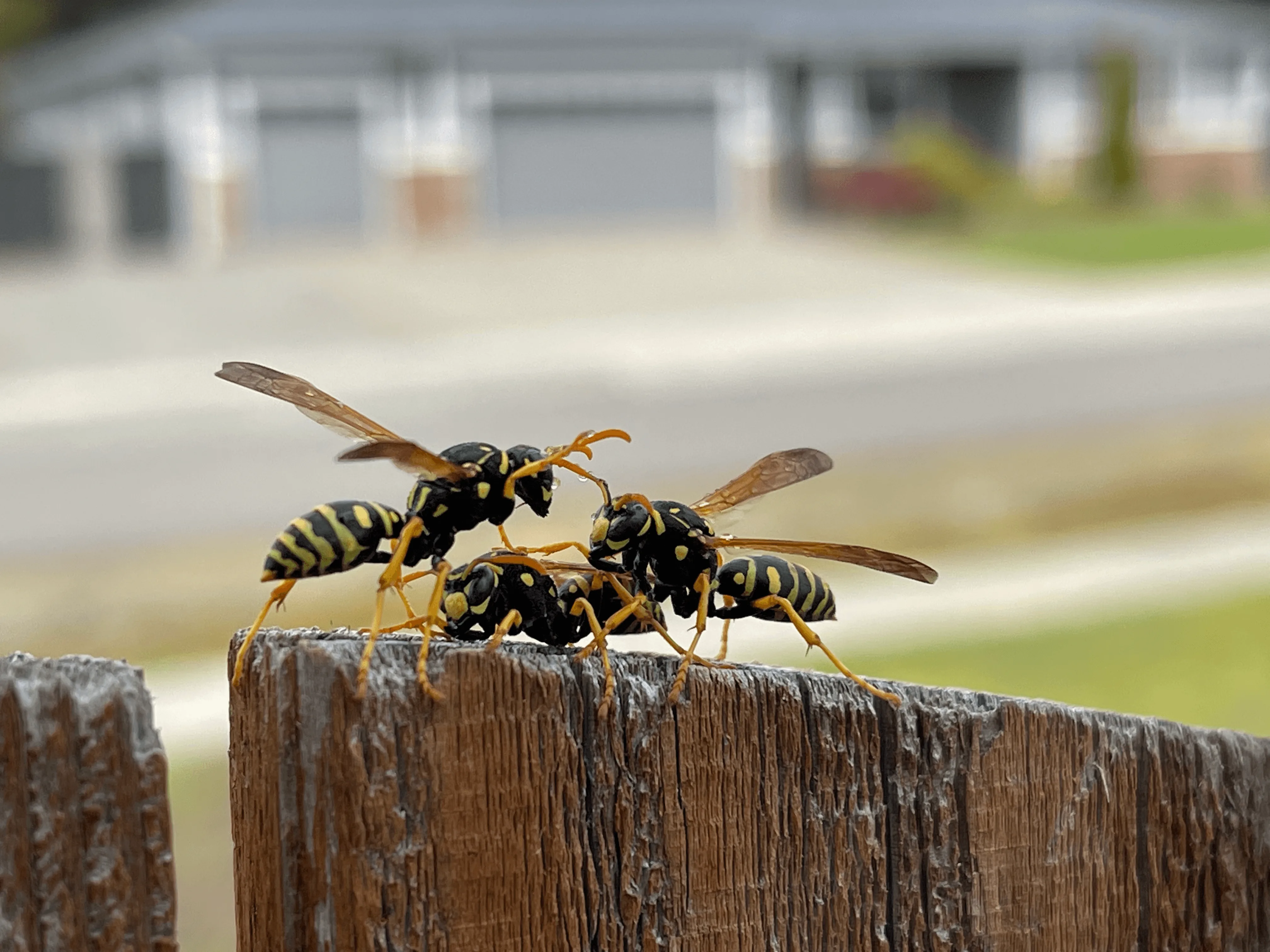
How Can I Prevent Stings This Summer?
Short answer: The most effective sting prevention costs nothing. Cover food and sweet drinks outdoors, glance into open cans before you sip, keep trash and recycling lids closed, and watch for insects flying in and out of a single spot, which usually signals a nest. Do not swat at wasps, which releases an alarm scent that calls in more, and never seal or spray a nest yourself. The National Pest Management Association’s Stinging Insects 101 guide is a helpful reference for identification and prevention.
The good news is that most stings are preventable with habits that cost nothing. Here is where we would start:
- Cover food and sweet drinks, and check your can. Yellowjackets love protein and sugar, so covered dishes and closed lids make your yard far less interesting to them. Always look before you sip. A foraging yellowjacket crawling into an open soda can is one of the most common ways people get stung on the mouth or throat.
- Stay on top of food and water sources. Pick up fallen fruit, rinse recyclables, and keep trash and recycling lids closed. Dry summers concentrate insects around whatever food and water they can reach.
- Look before you work. Before you trim a hedge, mow, or reach into a shed, watch for insects flying in and out of a single spot, whether that is a hole in the ground, a gap in the siding, or a corner of the eaves. That traffic pattern almost always means a nest.
- Do not swat, and do not seal or spray a nest yourself. Swatting releases an alarm scent that calls in more wasps. Knocking down or spraying a nest is the single most common way homeowners end up swarmed, because unlike a honeybee, a yellowjacket can sting again and again.
- Dress simply for outdoor gatherings. Light colors and skipping heavy floral scents both help you go unnoticed.
- Teach kids to stay calm and walk away rather than flail. Quick, panicked movement is usually what turns a curious wasp into a defensive one.
If anyone in your home has a known stinging-insect allergy, keep their prescribed epinephrine on hand during outdoor activities, and let hosts and coaches know. A little planning makes summer a lot less stressful for everyone.
What Should I Do If I Get Stung?
Short answer: For a normal sting, wash the area, apply ice, and take an antihistamine for pain and swelling. If a honey bee leaves its stinger behind, scrape it out sideways with a fingernail or card instead of pinching it, which can squeeze in more venom. Watch for signs of a severe reaction, such as trouble breathing, swelling beyond the sting site, dizziness, or spreading hives, and call 911 if they appear. The NPMA’s guide to treating insect stings walks through it step by step.
Most stings, while painful, are not dangerous. Wash the area with soap and water, apply a cold pack to bring down swelling, and use an antihistamine or over-the-counter pain reliever as needed. Try not to scratch, which can lead to infection.
One detail that trips people up: if you are stung by a honey bee and the stinger stays in the skin, do not pinch it out with your fingers or tweezers. Squeezing the venom sac pushes more venom in. Scrape it away sideways with a fingernail, a credit card, or a similar edge. Yellowjackets and wasps do not usually leave a stinger behind, which is exactly why they can sting more than once.
The reactions that need immediate attention are the whole-body ones. If you or someone nearby shows difficulty breathing, swelling of the face or throat, dizziness, a rapid heartbeat, nausea, or hives spreading across the body, treat it as a medical emergency and call 911 right away. If the person has a prescribed epinephrine auto-injector, use it. These reactions can escalate fast, and minutes matter.
When Should I Call a Professional?
Short answer: Call a professional for nests near where your family actually lives, such as by doors, walkways, patios, play areas, or inside wall voids you cannot safely reach. Ground nests in the lawn and large aerial nests up high are also better left to someone with the right equipment, since those are the situations where multiple stings happen. Earlier is always easier, calmer, and less expensive than waiting for the late-summer peak.
Plenty of small nests in out-of-the-way corners can simply be left alone. The ones worth handling sooner are the nests near where your family actually lives: by a door, along a walkway, over a patio, near a play area, or tucked into a wall void you cannot safely reach. Ground nests in the lawn and large aerial nests up high are also better left to someone with the right equipment, because those are the situations where multiple stings tend to happen.
There is no need to call the moment you spot a single wasp. But if a nest is growing somewhere your family passes every day, earlier is easier, calmer, and usually less expensive than waiting for the peak in late summer. And if you are ever unsure whether you are looking at aggressive yellowjackets or harmless honey bees, send us a photo and we will help you tell the difference before anyone gets stung.
For homeowners who would rather not think about it at all, our All Seasons Pest Plan includes quarterly visits timed to the Pacific Northwest season, with our team knocking down accessible wasp nests and treating common nesting spots before activity peaks.
Frequently Asked Questions About Stinging Insect Safety
By late summer, colonies are at peak size, natural food sources are drying up, and worker wasps are stressed and protective of the nest. Yellowjackets in particular shift to aggressive scavenging around human food and drinks as wild food disappears, and they become more likely to sting with little provocation. This is why early-season prevention is so much easier than late-summer reaction.
Keep food and sweet drinks covered, glance into open cans and cups before you sip, wipe up sugary spills, and keep trash and recycling lids closed. A foraging yellowjacket crawling into an open soda can is one of the most common ways people get stung on the mouth or throat, so checking before you drink is one of the simplest safety habits there is.
For a normal sting, wash the area, apply ice, and take an antihistamine for pain and swelling. If a honey bee leaves its stinger behind, scrape it out sideways with a fingernail or card rather than pinching it, which can push in more venom. Yellowjackets and wasps do not usually leave a stinger, which is why they can sting more than once.
Seek emergency care and call 911 if you notice signs of a severe, whole-body reaction: difficulty breathing, swelling of the face or throat, dizziness, a rapid heartbeat, nausea, or hives spreading across the body. If the person has a prescribed epinephrine auto-injector, use it. These reactions can escalate quickly, so do not wait to see if symptoms pass.
Honey bees and bumble bees are pollinators, not pests, and we do not treat them. They sting only when threatened. If you find a honey bee swarm in your yard, often a temporary cluster on a branch, the right move is to contact a local beekeeper who can relocate them safely. If you are not sure whether you are looking at bees or wasps, send us a photo and we will help you tell the difference.
We generally do not recommend it. Swatting at wasps or plugging a nest opening tends to make things worse, and ground nests, large aerial nests, and nests inside wall voids are exactly where multiple stings happen. If you have any doubt about the access, size, or location of a nest, calling a professional is the safer choice.
Staying Ahead of Sting Season
Stinging-insect safety is mostly about timing and small habits. Cover your drinks, keep the lids closed, walk away calmly instead of swatting, and know the difference between a sting you can treat at home and one that needs a 911 call. Do those things, and you have handled the vast majority of the risk. For the nests that show up where your family actually lives, or if you just want a second set of eyes before a backyard event, we are here to help.
The best solution, as always, is just down the road.
Trusted Pest Control Across Oregon and Washington
Interstate Pest Management has been a family-owned part of the Pacific Northwest since 1963, and our certified technicians live and work in the same neighborhoods you do. Our teams cover Vancouver, Portland, Olympia, Kelso, and Salem – and if wasps, yellowjackets, or any other pest are giving you trouble this summer, we would love to meet you.
Give us a call at 1-888-844-4476 or schedule online to get started. We will take a look and tell you exactly what is going on.