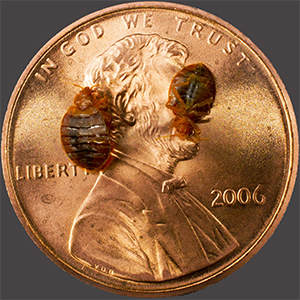
Finding a bed bug does something to people. It’s the one pest that makes otherwise calm homeowners throw out a mattress, fog the bedroom, and start sleeping on the couch, usually in that order, and usually before they know what they’re dealing with. So before anything else: bed bugs are not known to transmit disease, and having them says nothing about how clean your home is. They’re hitchhikers. They come home in luggage, used furniture, and backpacks, and they turn up in tidy houses and messy ones alike.
The reason bed bug treatment has a reputation for failure isn’t that the bug is invincible. It’s that most of what people reach for first was never going to work. Here’s what actually kills bed bugs, what doesn’t, and the steps worth taking tonight while you figure out your next move. We’ve been treating them across the Pacific Northwest since 1963, so none of this is theory.
First, confirm it’s actually bed bugs
Bites alone can’t confirm bed bugs. Doctors can’t reliably tell a bed bug bite from a flea bite or a spider bite, and some people don’t react to bites at all. What confirms an infestation is physical evidence: live bugs about the size of an apple seed in mattress seams and the box spring, rusty or black stains on bedding, shed skins, and tiny white eggs in crevices near where you sleep. Our signs of bed bugs page walks through each one with photos, and the bed bug profile covers the bug itself.
This step matters because the wrong ID sends people down the wrong treatment path. We’ve inspected plenty of “bed bug” jobs that turned out to be carpet beetles, which need a completely different fix.
Why DIY bed bug treatment usually fails
Three reasons, and they’re all biology rather than bad luck.
They hide where spray can’t reach. Bed bugs spend most of their lives tucked into cracks, seams, screw holes, and the folds of the box spring, coming out to feed and then retreating. The EPA’s guidance on DIY bed bug control is blunt about foggers: the spray will not reach the cracks and crevices where bed bugs hide. A fogger fills the middle of the room. The bugs aren’t in the middle of the room.
Store products aren’t built for this bug. University of Minnesota Extension puts it plainly: insecticides available in over-the-counter products are not effective in controlling bed bugs. The products professionals use are commercial materials that require training and equipment to apply correctly, paired with non-chemical methods like heat, steam, and vacuuming.
The eggs are the rematch. Even when a spray kills the bugs you can see, eggs tucked into crevices hatch over the following weeks and the infestation restarts. That’s why one-shot treatments fail and why any serious bed bug treatment includes follow-up.
There’s also a way DIY makes things actively worse: moving to another bedroom or the couch. The bugs follow the carbon dioxide you exhale, and now they’re established in two rooms instead of one. Sleep in your bed while the problem gets solved, as unappealing as that sounds.
What actually kills bed bugs
Heat, cold, physical removal, and correctly applied professional materials. The numbers matter here, so here they are with sources.
- Heat. University of Minnesota Extension cites a two-hour core exposure at 120°F as the minimum target for heat treatments. That “core” is the catch: the middle of a mattress or a pile of laundry has to reach that temperature, not just the surface, which is why professional heat work uses monitoring sensors.
- Your dryer. The same source: laundry washed hot and/or dried above 122°F for 20 minutes kills all stages of bed bugs, eggs included. This is the single most useful weapon a homeowner already owns.
- Steam. Per the EPA, steam at 130°F or hotter works on mattress seams, box springs, and furniture edges, applied slowly and without forceful airflow that could scatter the bugs.
- Cold. The EPA’s figure is a sealed bag in a freezer at 0°F for three days, verified with a thermometer. Useful for items that can’t take heat.
- Encasements. Sealed covers on the mattress and box spring trap the bugs inside, where they die, and turn your bed into something you can actually inspect.
What professional bed bug treatment looks like
Here’s how a real bed bug treatment runs at Interstate, so you know what to expect from us or can measure anyone else against it. It starts with an inspection that confirms bed bugs through physical evidence and maps how far they’ve spread. Low-level infestations concentrate within about two feet of sleeping and resting areas, so that’s where our technicians dig in: the underside of the box spring, cracks in the bed frame, the back of the headboard, the folds of the couch. Heavier activity widens the treatment zone to five feet. You’ll get clear prep instructions, including bagging linens for hot laundering and having everyone (pets included) out of the home for at least four hours after treatment.
The treatment itself layers methods, because no single tool gets every bug and every egg. HEPA vacuuming and professional steaming physically destroy the bugs we find. Encasements seal the mattress and box spring so nothing gets in or out. Interceptor cups go under bed and couch legs to catch bed bugs moving between hiding spots and to show us exactly what’s still active between visits. Targeted residual products, rotated so resistance can’t build, plus a desiccant dust go into the cracks, crevices, frames, and baseboards where spray cans never reach.
Then comes the part most failed treatments skip: follow-up. Most infestations take more than one visit, and we don’t declare a home eliminated until two consecutive follow-up services across four weeks turn up zero sightings and zero complaints. That standard is what starts your warranty, and if bed bugs show up while you’re under warranty, the reservice is free.
When you’re comparing companies, ask what their standard for “done” is and what happens if evidence turns up afterward. A good company answers in writing.
Local context: Oregon and Washington
Our standard for “gone” is stricter than yours
Most companies call a bed bug job finished when the treatment is done. We don’t. A home isn’t declared eliminated until two consecutive follow-up services across four weeks come back with zero live bed bugs and zero new bites or evidence. Not one clean visit. Two in a row.
That standard exists because of how this insect works. Eggs tucked into a screw hole or a box spring seam hatch on their own schedule, and interceptor cups under the bed and couch legs tell us what’s still moving between visits. If anything shows, we keep working. If nothing shows twice, the job has actually ended, and that’s the moment your warranty starts.
Under warranty, any reservice is free. That’s why the elimination bar sits where it does: once the warranty starts, callbacks are on us, so it pays everyone to be thorough before we call a job done.
“The interceptor cups are the honest part of a bed bug job. Anyone can spray and say it went well. The cups under your bed legs don’t care how the visit felt. If something is still moving in that room, it ends up in a cup, and we keep working until they come back empty twice in a row.”
TJ Jackson · ACE, Director of Operations, Interstate Pest Management

Bed bug work is quoted after an inspection, because the number of rooms and the level of activity set the scope. Every job includes encasements, interceptor monitoring, follow-up visits, and free reservices under warranty once elimination is declared.
Book a bed bug inspection
- Portland503-782-1899
- Vancouver360-996-1442
- Salem503-461-0259
- Olympia360-525-8004
- Kelso / Longview360-515-3882
What to do tonight
While you’re deciding on next steps, four things help immediately and cost almost nothing:
- Strip the bed and run everything through a hot wash and a high-heat dryer cycle of at least 20 minutes. Bag it when it comes out.
- Vacuum the mattress seams, bed frame, and baseboards, then seal the vacuum bag or canister contents in a plastic bag and get it to the outdoor garbage.
- Pull the bed a few inches from the wall and keep bedding from touching the floor.
- Keep sleeping in your own bed, and don’t move furniture or bagged items to other rooms.
And two things not to do: don’t set off a fogger, and don’t throw out your mattress yet. Dragging an infested mattress through the house seeds every doorway it touches, and a new mattress on an untreated frame gets infested within days. An encasement costs a fraction of a mattress and does more.
Frequently asked questions about bed bug treatment
Do bed bug foggers work?
No, not as a solution. The EPA warns that fogger spray doesn’t reach the cracks and crevices where bed bugs actually hide, and says foggers should never be your sole control method. The bugs that survive keep breeding.
What temperature kills bed bugs?
For whole-item or room heat treatment, University of Minnesota Extension cites a two-hour core exposure at 120°F as the minimum target. For laundry, drying above 122°F for 20 minutes kills all life stages, eggs included. For cold, the EPA’s figure is 0°F for three days in a sealed bag.
Can I get rid of bed bugs myself?
A very early, contained introduction is sometimes stopped with aggressive laundering, vacuuming, steam, and encasements. An established infestation almost never is, because over-the-counter insecticides aren’t effective against bed bugs and eggs keep hatching behind every visible kill. The honest move is an inspection to find out which situation you have.
Do bed bugs spread disease?
Bed bugs are not known to transmit disease to people. The real costs are bites, lost sleep, stress, and the expense of failed treatments. That’s reason enough to take them seriously, but it’s not a health emergency.
Do I need to throw away my mattress?
Usually not. A sealed encasement traps the bugs inside, where they die, and treatment handles the frame and the room. Discarding a mattress mid-infestation often spreads bugs along the exit route and wastes money, since an untreated room infests the replacement. Our technicians are trained to never recommend throwing out your belongings; if something is heavily infested or hard to treat, we talk through the options instead.
How long does bed bug treatment take?
Plan on more than one visit; most infestations require it. At Interstate, a home isn’t declared eliminated until two consecutive follow-up services across four weeks show no live bed bugs and no new bites or evidence. That verified standard is what starts the warranty, and reservices under warranty are free.
How do I avoid bringing bed bugs home from a trip?
Check the mattress seams and headboard area before settling into any room, keep luggage on the rack instead of the bed or floor, and when you get home, run travel clothes straight through a high-heat dryer cycle. Secondhand furniture deserves the same seam inspection before it comes inside.
Dealing with bed bugs right now?
Don’t spend another dollar on sprays. Start with an inspection and a written plan from our bed bug treatment team. Contact Interstate Pest Management, book online, or call 360.382.2451. We’ve been solving Pacific Northwest pest problems since 1963, and the best solution is just down the road.