Spiders of the Pacific Northwest
Reviewed by TJ Jackson, Certified ACE · Updated 2026-05-19
Category: Spiders | 7 species covered | ✓ All covered under All Seasons Pest Plan
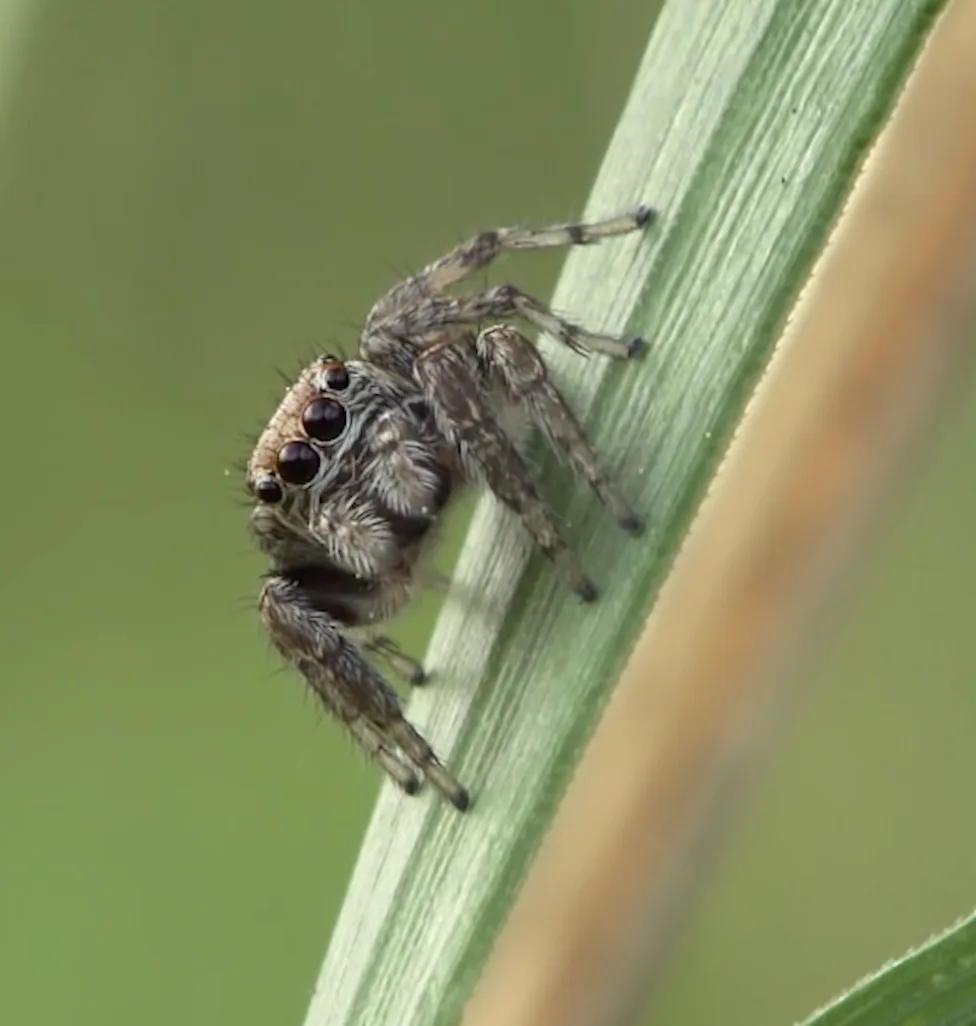
Spiders are the third most common pest concern for Pacific Northwest homeowners, and fall is when they really make themselves known. Most PNW spiders are harmless, beneficial insect hunters that belong outside. A few are harder to identify, and exactly one poses a real medical risk. Knowing which is which is the difference between a catch-and-release and a call to us. Below: the 7 spider species we get asked about most in Oregon and Washington.
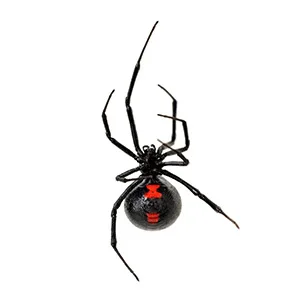
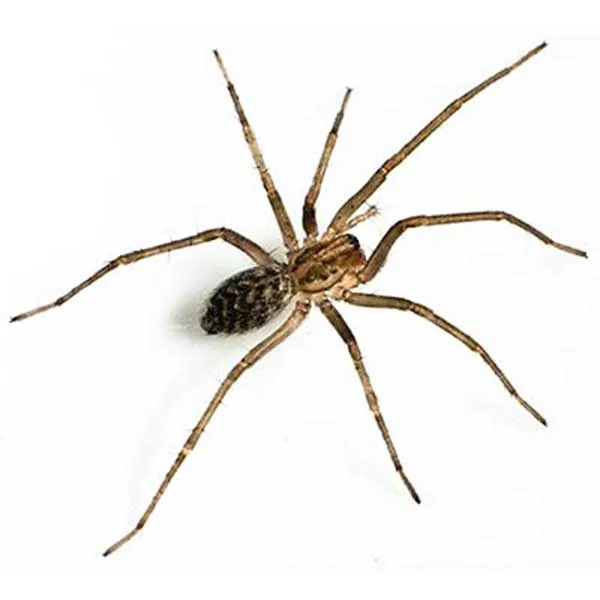
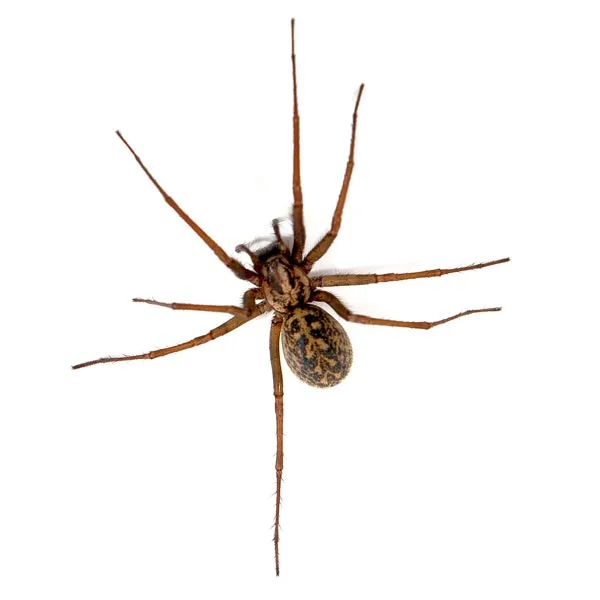
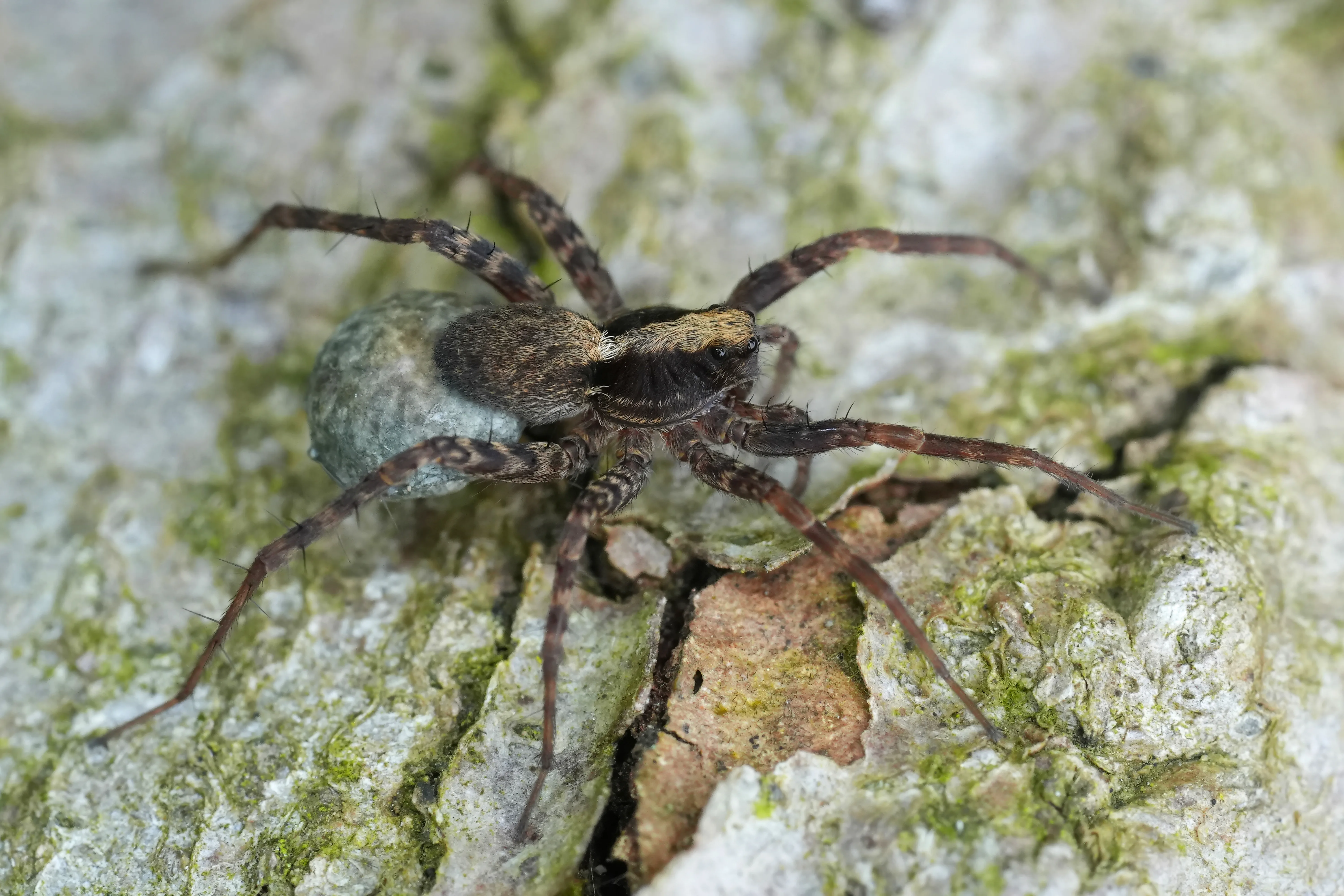
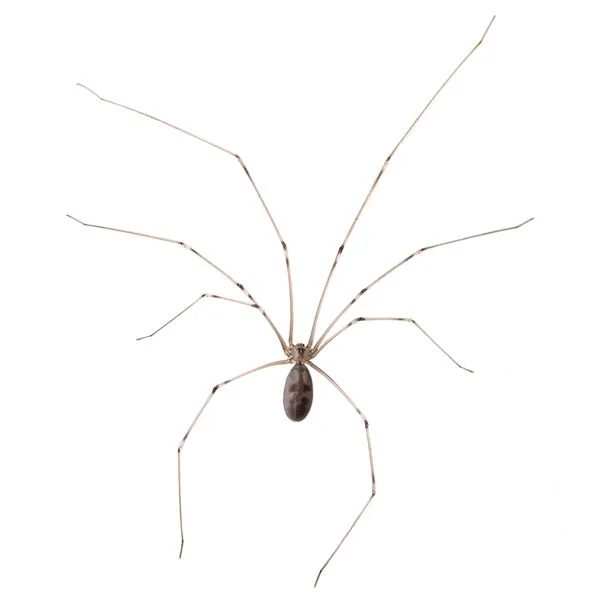
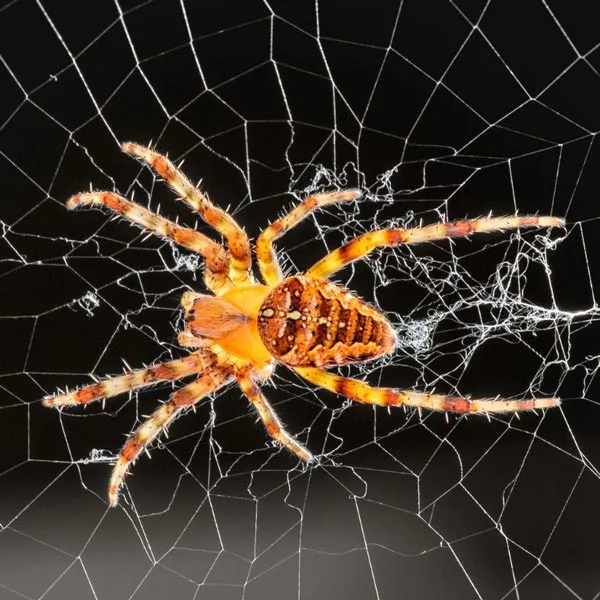
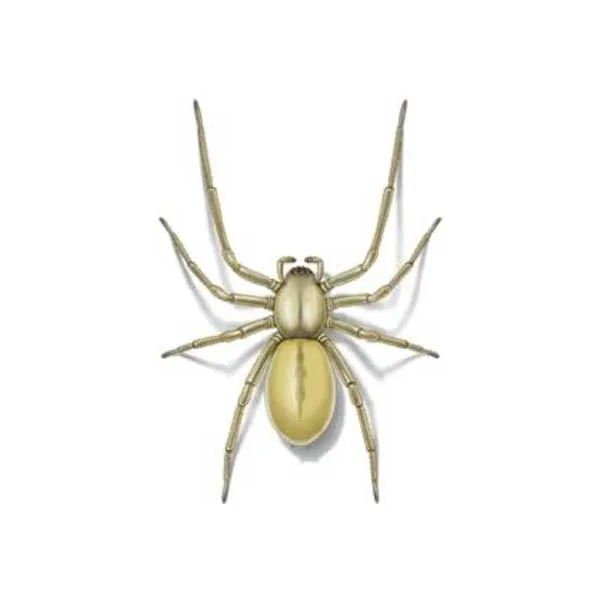
Quick Answer: The Pacific Northwest is home to 7 commonly encountered spider species: black widow (the only medically significant spider in OR and WA), giant house spider and hobo spider (large brown funnel-web builders that are nearly identical and frequently confused), Carolina wolf spider (large, fast, ground-hunting, no web), cellar spider (long-legged, hangs upside down in basement webs), orb weaver (outdoor garden spider with circular webs), and sac spider (small, pale, hides in silk tubes along walls). Of these, only the black widow requires urgent treatment. The rest are nuisance pests best managed through exclusion and seasonal exterior treatment.
Most important distinction: Only the black widow poses a significant medical risk. All other PNW spiders rarely bite and are not considered dangerous to healthy adults.
Common Spiders in Oregon & Washington Homes
PNW Spider Identification: FAQ
Quick answers to the questions we get most often.
Frequently Asked Questions About PNW Spiders
How do I identify a spider I found in my home?
Start with size and body shape. Very large, fast-moving brown spiders with a herringbone pattern on the abdomen are likely giant house spiders or hobo spiders: both funnel-web builders, and nearly impossible to tell apart without magnification. A large, stocky spider with no web that hunts on the floor is almost certainly a wolf spider. Small, pale yellowish spiders along ceilings are usually sac spiders. Long-legged spiders hanging upside down in messy webs in basements are cellar spiders. Shiny black with a red hourglass shape on the underside means black widow, the only one worth treating with urgency.
Are hobo spiders dangerous?
The scientific consensus has shifted significantly. Current research does not support the claim that hobo spiders cause necrotic wounds. The CDC removed the hobo spider from its list of medically significant spiders. In most cases, hobo spider bites produce only mild, localized reactions similar to other spider bites. They are still a nuisance and should be managed, but they do not pose the medical threat they were once believed to.
How do I tell a hobo spider from a giant house spider?
This is one of the most common spider ID questions in the Pacific Northwest, and the honest answer is that it is extremely difficult even for professionals without a microscope. Both are brown, similarly sized, and build funnel-shaped webs. The best field distinction: giant house spiders tend to have longer, more distinctly banded legs, while hobo spiders are typically smaller with less visible leg banding. For practical purposes, treat them the same way.
What is the only dangerous spider in Oregon and Washington?
The black widow is the only spider in the Pacific Northwest with venom that poses a significant medical risk to healthy adults. The western black widow is found throughout OR and WA, particularly in dry, sheltered areas like woodpiles, under decks, in crawl spaces, and in cluttered garages. If you find one, do not handle it. A black widow bite requires medical attention.
Why do I see more spiders in fall?
Two things happen in late summer and fall. First, spiders that hatched in spring have grown to full adult size and become much more visible. Second, male spiders leave their webs to search for mates, making them far more active and likely to wander into homes. As temperatures drop, spiders also seek warm shelter. Fall is the peak season for spider activity in OR and WA, and the most common time we get called about spiders.
Does the All Seasons Pest Plan cover spiders?
Yes. Spider control is included in Interstate Pest Management’s All Seasons Pest Plan, including treatment of active infestations, exterior web removal, and re-service visits as needed if spider activity returns between scheduled treatments.
Do cellar spiders eat other spiders?
Yes, cellar spiders are known to invade and prey on other spiders, including those larger than themselves. They vibrate the other spider’s web to simulate a trapped insect, then subdue the resident spider. This is one reason some people tolerate them. That said, their messy, irregular webs accumulate quickly in basements and garages, and most homeowners prefer to have them removed.
Should I try to remove spiders myself?
For most species (wolf spiders, cellar spiders, orb weavers, sac spiders), DIY removal is reasonable. Catch-and-release, web removal, and vacuuming are effective for isolated encounters. Sealing cracks and gaps reduces entry long-term. For black widows, large infestations of any species, or if spiders are entering living spaces regularly despite DIY efforts, professional treatment is more effective and longer-lasting.
Plans That Cover All PNW Spider Species
All Seasons Pest Plan
$39/month
Setup fee $260 for initial treatment
Year-round protection from the pests Pacific Northwest homeowners deal with most — spiders, ants, wasps, box elder bugs, and more. Includes exterior web removal with every visit.
- Recurring exterior treatments
- Exterior web removal
- Re-services included as needed between visits
Pest & Rodent Bundle
$47/month
Setup fee $280 for initial treatment
The most complete protection for your home. Full pest coverage plus active rodent monitoring — one plan, one team, one less thing to worry about.
- Everything in Pest & Rodent plans
- Best value for whole-home protection
- Re-service guarantee
What Our Customers Are Saying