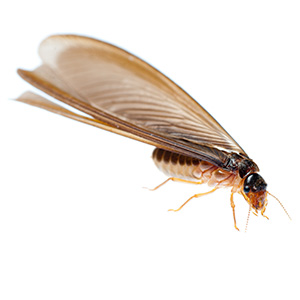
Drywood Termites
Reviewed by TJ Jackson, Associate Certified Entomologist · Updated 2026-10-09
Incisitermes minor | Category: Termites | A California termite that rarely makes it this far north
Drywood termites live inside dry, sound wood, and in California they are a major pest. In Oregon and Washington they are rare: Northwest extension services describe them as an occasional import, usually in furniture or lumber, with no evidence they have become established. So if you are looking at wood damage and wondering about drywood termites, the odds favor something else. A few pellets or a pinch of powder in a sealed bag often settle what it is.
Found pellets or damaged wood and not sure what made it?
4.96 stars from 8,394 Google reviews · Family-owned since 1963
| Colony Size | Small colonies, usually under 1,000 termites |
|---|---|
| Color | Varies; identify by pellets, not color |
| Top ID Marker | Six-sided fecal pellets that pile up below tiny kick-out holes |
| Habitat | Dry, sound wood with no soil contact: furniture, trim, framing |
| Activity | Swarms in daytime in summer and fall where established |
| Bite Risk | No risk to people; rare in the Northwest |
| Plan Coverage | Inspection first; termite work quoted separately from the All Seasons Plan |
Quick Answer: Drywood termites, mainly the western drywood termite (Incisitermes minor), live in small colonies inside dry, sound wood and need no contact with soil. Their giveaway is hard, six-sided fecal pellets pushed out of tiny kick-out holes into small piles. They are native to coastal and southern California, where they are a major pest. In Oregon and Washington they are uncommon: the Pacific Northwest Pest Management Handbook says they have been found occasionally, usually in furniture or lumber brought from southern states, with no evidence they have become established. Wood damage in Northwest homes is far more often dampwood termites, carpenter ants, or wood-boring beetles such as powderpost and anobiid beetles. An inspection tells you which.
Key facts at a glance: Lives in dry, sound wood · Six-sided pellets below kick-out holes · No soil contact · Common in California · Rare imports in OR and WA, not established · Look-alikes are more likely · Treatment: inspection first.
Moved furniture or wood up from California or the South? That is how drywood termites usually reach the Northwest. If you find hard, six-sided pellets near a piece that came with you, get it inspected.
Frequently Asked Questions
Do drywood termites live in Oregon or Washington?
Rarely. The Pacific Northwest Pest Management Handbook says the western drywood termite has been found occasionally in the region, usually in furniture or lumber imported from southern states, but there is no evidence it has become established. Oregon State University calls it uncommon in the Pacific Northwest. Across 2021 to 2025, iNaturalist has no verifiable drywood termite sightings in either state.
How can I tell if I have drywood termites?
Look for small piles of hard, six-sided fecal pellets below tiny holes in dry wood. UC IPM calls the six-sided pellets diagnostic. Drywood termites live entirely inside the wood, so there are no mud tubes and no need for wet wood.
What else causes damage that looks like drywood termites?
In the Northwest, the usual suspects are dampwood termites in wet wood, carpenter ants that push out sawdust-like debris, powderpost beetles that leave fine flour-like powder in dry hardwoods, and anobiid beetles that leave gritty pellets in damp softwoods such as crawl space framing.
I have pellets coming out of a wall. Is it termites?
It might be dampwood termites if the wood is wet, or wood-boring beetles. Dampwood termite pellets are rounded at both ends without ridges; drywood pellets have six flat sides with ridges. Collect a few in a bag and have them looked at; that alone often settles it.
How are drywood termites treated where they are established?
UC IPM describes whole-structure treatment, either fumigation with occupants out for several days or heating all the wood to at least 120 degrees F for at least 33 minutes, or localized treatment by licensed applicators. It notes home-use products are not effective.
Do drywood termites need moisture or soil?
No. They live in dry, sound wood and need very little moisture and no soil contact, which is why they can survive in furniture and why moving infested furniture is the usual way they travel.
Is termite work part of the All Seasons Pest Plan?
No. Termite work starts with an inspection and is quoted separately, because the right answer depends on what is actually in the wood.
Signs of Drywood Termites (and What to Check First)
1. Six-sided pellets in small piles
Hard, ridged pellets about 1/32 inch, gathering in small piles on sills or floors below the damaged wood. This is the key drywood sign.
2. Tiny kick-out holes
Holes smaller than 2 mm in the wood surface, where termites push pellets out of their galleries.
3. Damage in dry, sound wood
Galleries in wood that has never been wet, often in furniture, trim or framing that came from out of state.
4. Fine flour-like powder instead
That points to powderpost beetles, which attack dry hardwood flooring, trim and furniture, and leave round shot holes.
5. Gritty pellets in a damp crawl space instead
That points to anobiid beetles, which are very common west of the Cascades in poorly vented crawl spaces.
6. Sawdust piles and smooth galleries instead
That points to carpenter ants, which excavate wood, often damp wood, to nest in but do not eat it.
Behavior, Biology & Lifecycle
A California native
The western drywood termite is native along the Pacific coast into California’s Central Valley and southern deserts, and UC IPM calls it California’s second most important termite pest.
Not established in the Northwest
The PNW Pest Management Handbook says it has been found occasionally in the region with no evidence it has become established. Oregon State University calls it uncommon here.
Small colonies in dry wood
Colonies are usually under 1,000 termites and live entirely inside dry, sound wood with no soil contact.
Pellets are the giveaway
Drywood termites push their six-sided fecal pellets out through kick-out holes, so small piles collect beneath the damaged wood.
They travel in furniture
Because the whole colony lives inside a piece of wood, drywood termites move with infested furniture and lumber. That is how the Northwest’s occasional finds arrive.
Treatment where they live
Where established, treatment is whole-structure fumigation or heat, or localized treatment by licensed applicators. Home-use products are not effective.
Local Context: Oregon and Washington
Zero verifiable drywood termite sightings in Oregon and Washington in five years. Most wood damage here is something else.
People search for drywood termites because the name sounds like what they found: damage in dry wood. Public records say the Northwest rarely has them. Of the 2,143 verifiable termite sightings logged on iNaturalist in Oregon and Washington from 2021 to 2025, none were drywood termites. 1,706 were dampwood termites and 261 were subterranean termites.
That matches the PNW Pest Management Handbook, which says the western drywood termite has been found here occasionally, in furniture or lumber from southern states, with no evidence it has become established.
Our records show how often a termite worry needs sorting out first. Across five years in Portland, Vancouver, Salem, Olympia and Kelso, 58% of the visits where we recorded termites were inspections, and carpenter ants were recorded on 12% of those termite visits. So the first job is finding out what is in the wood.
Northwest termite season is a late-summer dampwood season.
Each series is its share of the annual total, so the two are directly comparable. Drywood termites have no sightings to chart.
Blue line: verifiable iNaturalist observations of all termites (Termitoidae) in Oregon and Washington, grouped by the month observed. See the records on iNaturalist.
Why the name misleads
Dampwood termite pellets are found in wood that is or has been wet, so damage that looks dry now can still be dampwood damage. True drywood termites leave six-sided pellets, and they usually arrive in a piece of furniture.
Worth knowing before you book
When someone tells us they have drywood termites, we start with the evidence they found. Fine powder points to powderpost beetles. Gritty pellets in a damp crawl space point to anobiid beetles, which WSU calls very common west of the Cascades. Sawdust piles point to carpenter ants. Rounded pellets in wet wood point to dampwood termites.
Each of those has a different fix, so we inspect before we quote. If you did bring a piece of furniture up from California and it is dropping six-sided pellets, that is the one case to take very seriously.
Which termites people actually find here
Verifiable iNaturalist termite sightings in Oregon and Washington, 2021 to 2025, by type.
Dampwood is the genus Zootermopsis, subterranean the genus Reticulitermes, drywood the genus Incisitermes. Other or unidentified are termite sightings not identified to one of those genera. Source: iNaturalist.

“If you are looking at a little pile of pellets, you want a clear answer about what is in that wood. In Oregon and Washington it is almost never drywood termites. There were zero public drywood sightings in the two states from 2021 to 2025. Most of the time it is dampwood termites in a spot that was wet, or a wood-boring beetle. Seal a spoonful of the pellets in a bag and we will identify them. That one step tells you whether you need a carpenter, a treatment or nothing. The exception is furniture or lumber brought up from the South.”TJ Jackson · ACE, Director of Operations, Interstate Pest Management
Termite and wood damage work starts with an inspection and is quoted separately from the All Seasons Plan. QualityPro certified.
Call your local office
- Portland503-782-1899
- Vancouver360-996-1442
- Salem503-461-0259
- Olympia360-526-8004
- Kelso / Longview360-515-3882
Sources: Interstate Pest Management service records, 2021 to 2025, completed visits with termites recorded. Sightings: public iNaturalist records of termites for Oregon and Washington, 2021 to 2025. Biology: PNW Pest Management Handbooks, Oregon State University, UC Statewide IPM Program, WSU EB1814, WSU PestSense (powderpost beetles), WSU PestSense (anobiid beetles). Updated October 2026.
DIY Homeowner Steps
Collect a sample
Sweep a few pellets or a bit of powder into a sealed bag. Shape, texture and color tell termites, beetles and ants apart.
Check whether the wood is wet
Press a screwdriver into the damaged wood and check for leaks nearby. Wet wood points to dampwood termites or anobiid beetles, not drywood termites.
Look at where the wood came from
Furniture, flooring or lumber from California or the South is the most likely source of a true drywood termite.
Keep the crawl space dry
A vapor barrier and open vents lower moisture in framing, which helps against anobiid beetles and dampwood termites.
Skip store-bought termite treatments
UC IPM says home-use products are not effective against drywood termites, and the treatment depends on what is actually in the wood.
Drywood Termites vs. Northwest Look-Alikes
| Feature | Drywood Termite | Dampwood Termite | Carpenter Ant | Powderpost Beetle | Anobiid Beetle |
|---|---|---|---|---|---|
| Common in OR and WA? | No, rare imports | Yes, most common termite | Yes | Yes, in hardwoods | Very common west of the Cascades |
| Wood condition | Dry, sound wood | Wet or decaying wood | Damp or decayed wood | Dry hardwood | Damp softwood, crawl spaces |
| What you find | Six-sided, ridged pellets in piles | Rounded pellets, no ridges | Sawdust-like debris, smooth galleries | Fine flour-like powder, round holes | Gritty pellets, round holes |
| Exit holes | Kick-out holes under 2 mm | None typical | Slits and openings | 1/32 to 3/32 in | Small round holes |
| What it means | Inspection; treatment is specialized | Fix moisture, replace wood | Find and treat the nest | Replace infested wood; freeze small items | Dry the crawl space |
How Termite Inspections and Treatment Work
Step 1
Inspection
We find out whether you have termites, which kind, and what is drawing them in: wet wood, wood touching soil, crawl space moisture or debris. In Washington, a complete wood destroying organism (WDO) inspection for a home sale comes with a written report.
Schedule a Termite InspectionStep 2
A plan that fits what we find
Dampwood termites are usually solved by fixing the moisture and replacing the damaged wood. Subterranean termites call for professional treatment, such as a soil barrier or bait stations. You get a quote after the inspection. Termite work is separate from the All Seasons Plan.
Book NowWhat Our Customers Are Saying