Rodents of the Pacific Northwest
Reviewed by TJ Jackson, Certified ACE · Updated 2026-08-11
Category: Rodents | 4 species covered | ✓ All covered under All Seasons Rodent Plan
Mice and rats are the pests most likely to move into a Pacific Northwest home as the weather turns, and telling them apart matters. The house mouse in your cabinets is a different problem than the deer mouse in a cabin, or the rats working the attic and crawlspace. Below are the four rodents we get called about most in Oregon and Washington, and how to tell which one you are dealing with.
Quick Answer: The Pacific Northwest sees four rodents most often: the house mouse (small, gray-brown, the most common indoor rodent), the deer mouse (white-bellied, found in cabins and outbuildings, and the primary hantavirus carrier), the Norway rat (large, blunt-nosed, burrows low in basements and along foundations), and the roof rat (sleek, big-eared, climbs and nests high in attics and trees). Which one you have points you to the right way to keep it out.
Most important distinction: Mice are small with a tail about as long as the body; rats are much larger. Among the rats, Norway rats burrow low while roof rats climb high, and among the mice, the deer mouse’s white belly and hantavirus risk set it apart from the house mouse.
Common Rodents in Oregon & Washington Homes
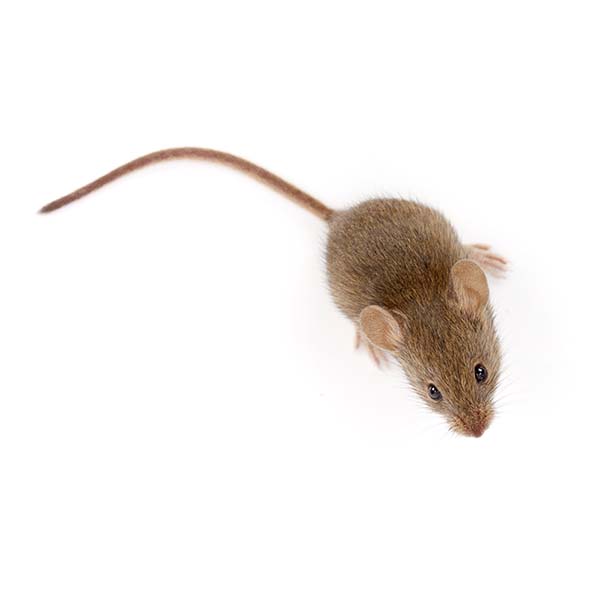
House Mouse
Most CommonMus musculus
The rodent PNW homes see most. Small and gray-brown, it nests in walls and cabinets, breeds fast, and gnaws and contaminates as it goes. Early droppings or nighttime scratching are worth acting on.
- Size:
- Body 2.5″ to 3.5″
- Top ID:
- Pointed nose, tail as long as body
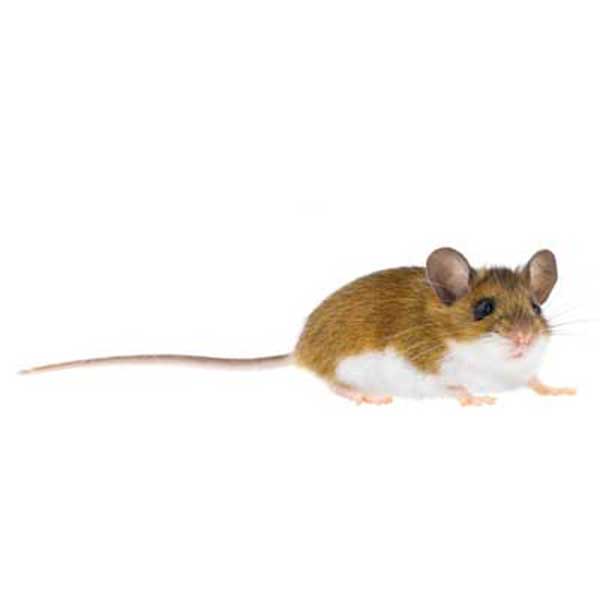
Deer Mouse
Hantavirus CarrierPeromyscus maniculatus
Brown with a clean white belly and feet, this is the mouse of cabins, sheds, and garages, not busy homes. It is the primary carrier of hantavirus, so its droppings should never be swept or vacuumed dry.
- Size:
- Body 2.75″ to 4″
- Top ID:
- White belly & feet, bicolored tail
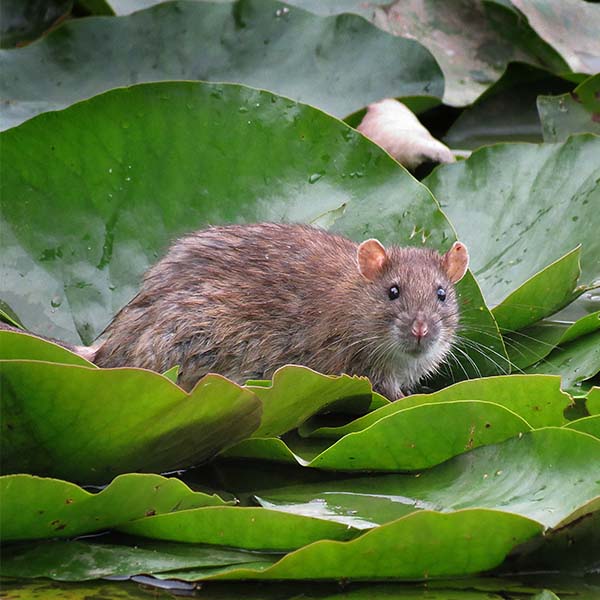
Norway Rat
Burrows LowRattus norvegicus
The big, heavy brown rat: blunt nose, small ears, tail shorter than its body. It burrows along foundations and works into basements and crawlspaces, gnawing wires and pipes as it goes.
- Size:
- Body 7″ to 10″
- Top ID:
- Blunt nose, tail shorter than body
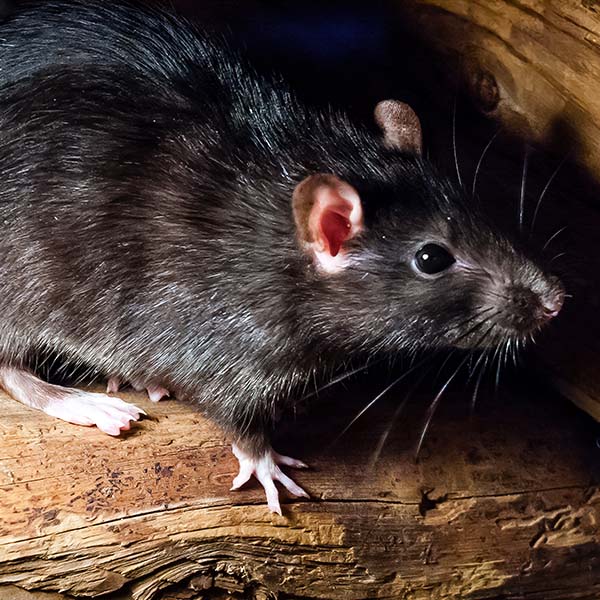
Roof Rat
Nests HighRattus rattus
The climber. Sleek and dark with big ears and a tail longer than its body, it nests high in attics, rafters, and trees. Scratching in the ceiling or attic at night is the tell.
- Size:
- Body 6″ to 8″
- Top ID:
- Big ears, tail longer than body
Rodent Identification: FAQ
Quick answers to the questions we get most often.
What is the difference between mice and rats?
Size is the quickest tell. Mice are small, about two to four inches in the body with a tail roughly as long as the body, while rats are much larger and heavier. Among mice, the house mouse is uniformly gray-brown and lives inside homes, while the deer mouse has a white belly and feet and favors cabins and outbuildings. Among rats, the Norway rat is big and blunt-nosed and burrows low, while the roof rat is sleek and big-eared and climbs high.
How do I know if I have mice or rats?
Look at the droppings and listen to where the noise is. Mouse droppings are small, about an eighth of an inch with pointed ends; rat droppings are much larger. Scratching in walls or cabinets often means mice, noises in the attic or ceiling point to roof rats, and activity in the basement or crawlspace suggests Norway rats. Gnaw marks, greasy rub marks along walls, and a musky odor are common to both.
Are rodents dangerous?
Yes, in a few ways. Rodents gnaw constantly and will chew electrical wiring, which is a fire risk, along with pipes and building materials. They contaminate food and surfaces with droppings and urine and can spread diseases such as salmonella and leptospirosis. Deer mice specifically are the primary carrier of hantavirus, so their droppings should never be swept or vacuumed dry.
Does the All Seasons Rodent Plan cover mice and rats?
Yes. All four common PNW rodents, house mice, deer mice, Norway rats, and roof rats, are covered under the All Seasons Rodent Plan, with interior and exterior monitoring, scheduled service, and re-services included as needed between visits. Sealing and exclusion work to close entry points is quoted separately based on your home.
Plans That Keep Rodents Out
All Seasons Rodent Plan
$39/month
Setup fee $280 for initial service
Ongoing monitoring and control that keeps mice and rats out of your home year-round, with interior and exterior stations serviced on a regular schedule.
- Interior & exterior monitoring
- Scheduled seasonal service
- Re-services included as needed between visits
Pest & Rodent Bundle
$47/month
Setup fee $280 for initial service
The most complete protection for your home: full rodent coverage plus year-round control of the insects and spiders PNW homeowners deal with most. One plan, one team.
- Everything in the Rodent plan
- Full pest coverage too
- Best value for whole-home protection
Sealing and exclusion work (closing the gaps rodents use to get in) is quoted separately based on your home, and is not included in the monthly plan price. Your technician will walk the home and give you a clear estimate.