Ants of the Pacific Northwest
Reviewed by TJ Jackson, Certified ACE · Updated 2026-05-06
Category: Ants | 10 species covered | ✓ All covered under All Seasons Pest Plan
Oregon and Washington homeowners deal with more ant species than almost anywhere else in the U.S., from the rotten-coconut-smelling odorous house ant in your kitchen to the wood-destroying carpenter ants behind your window frames. Identifying which species you have is the first step to treating it effectively, because what works on one species often makes another worse. Below: the 10 ant species we get called about most in the PNW.
Quick Answer: The Pacific Northwest is home to 10 commonly encountered ant species: odorous house ants (the most common indoor ant), carpenter ants (the only structurally damaging species), moisture ants (an indicator of hidden water damage), pavement ants (driveway and sidewalk dwellers), little black ants (tiny sugar-loving invaders), Argentine ants (invasive supercolony formers), velvety tree ants (aggressive biters in trees), thatch ants (mound-building native ants with painful bites), acrobat ants (nest in damaged wood and raise a heart-shaped abdomen), and pharaoh ants (tiny indoor ants that bud when sprayed). Identification by size, color, smell when crushed, and nest location determines the right treatment approach, and DIY methods that work on one species often make another species’ problem worse.
Most important distinction: Only carpenter ants and (indirectly) moisture ants damage homes. The other eight species are nuisance pests, annoying but not structurally harmful.
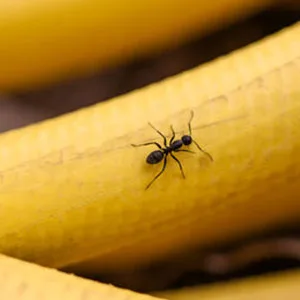
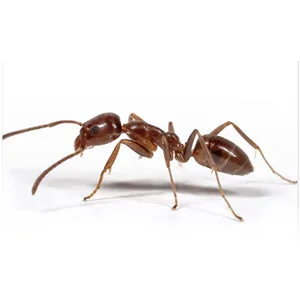
Common Ants in Oregon & Washington Homes
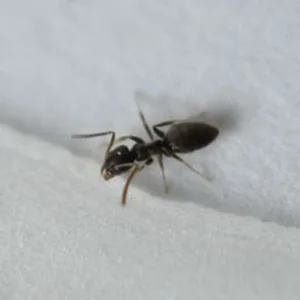
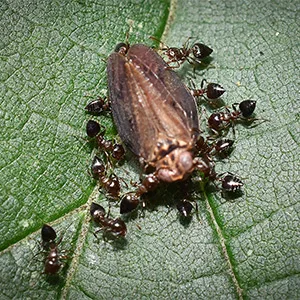
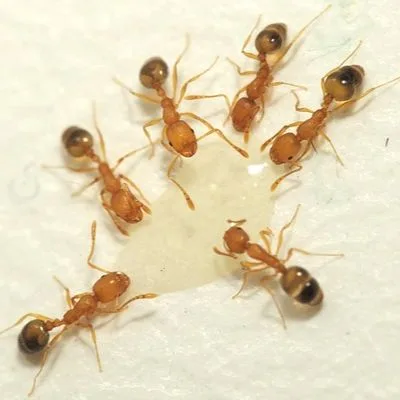
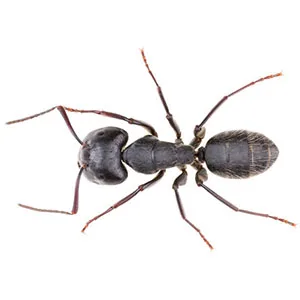
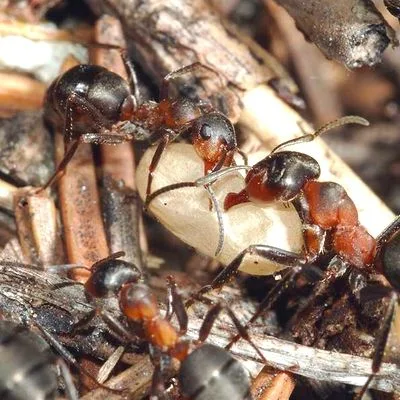
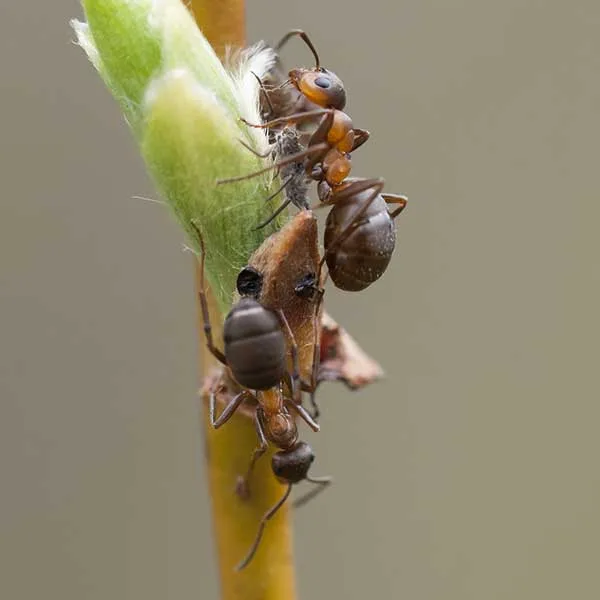
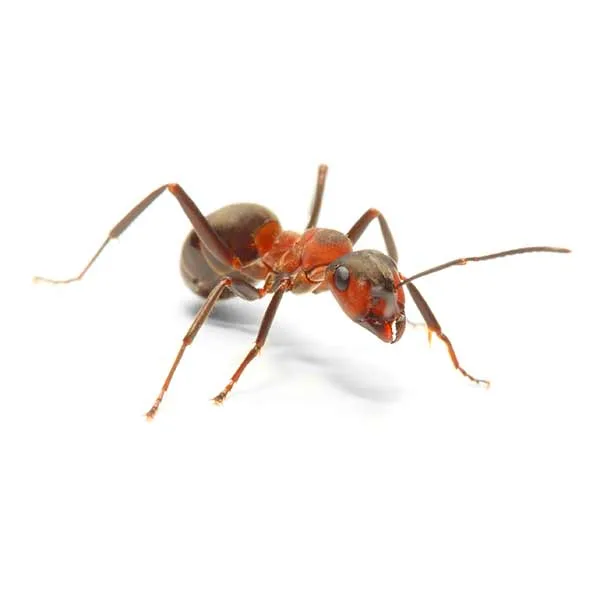
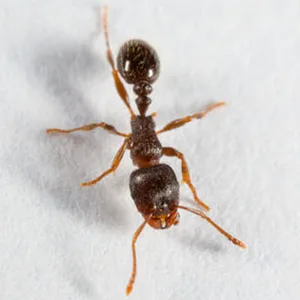
PNW Ant Identification: FAQ
Quick answers to the questions we get most often.
Frequently Asked Questions About PNW Ants
How do I figure out which type of ant I have?
Start with size and color. Ants under 1/8″ are usually odorous house ants, pavement ants, little black ants, or Argentine ants. Ants 1/4″ or larger are almost always carpenter ants. Yellow-brown ants in damp wood are moisture ants. Bicolored red-and-black ants in trees or fences are velvety tree ants. Aggressive ants from a pine-needle mound are thatch ants. For confirmation, crush one: the smell is often the fastest ID: rotten coconut (odorous house), lemon (moisture), rancid butter (velvety tree), or faint musty (Argentine).
What’s the most common ant in Oregon and Washington homes?
Odorous house ants are the #1 ant we get called about in Pacific Northwest homes, especially during spring rains when colonies are pushed indoors by saturated soil. Carpenter ants are a close second, particularly in older homes with moisture issues. Pavement ants are also extremely common, especially in homes with concrete driveways and patios.
Which ants actually damage homes?
Only carpenter ants cause significant structural damage by excavating wood for nest galleries. Moisture ants accelerate damage in wood that’s already rotting, but they don’t initiate damage in sound wood. All other PNW ants (odorous house, pavement, little black, Argentine, thatch, velvety tree) are nuisance pests, annoying but not structurally harmful.
Which ants bite?
Three PNW ants are known biters: thatch ants (aggressive defenders of their mounds, painful bite plus formic acid spray), velvety tree ants (bite when handled or when trails are disturbed), and rarely pavement ants (only when crushed against skin). The other common species (odorous house, carpenter, moisture, little black and Argentine) rarely bite and pose no real bite risk to humans.
Why don’t store-bought ant sprays work long-term?
Most PNW ant species have multiple queens (odorous house, little black, Argentine, velvety tree, thatch) and respond to spray pressure by ‘budding’, splitting the colony into multiple smaller colonies that scatter deeper into your home. Repellent sprays kill the foragers you see but leave the queens alive, and worse, accelerate the spread. Slow-acting bait carried back to the queens is the only reliable elimination method for these species. Carpenter ants and moisture ants require more targeted treatment of nest sites and moisture remediation.
Does the All Seasons Pest Plan cover all 10 of these ant species?
Yes. Interstate Pest Management’s All Seasons Pest Plan covers all ten ant species, including carpenter ants, moisture ants, and the more aggressive biting species. Coverage includes the initial treatment, scheduled seasonal services, and re-service visits as needed if ants return between visits.
When are ants most active in the Pacific Northwest?
Spring through early fall (April–October) is peak ant season in OR and WA. Spring rains drive outdoor colonies indoors. Summer warmth maximizes foraging activity. Late summer brings winged reproductives (‘swarmers’) from mature colonies. In heated indoor environments, odorous house ants, little black ants, and Argentine ants can be active year-round.
Should I try DIY first or call a pro?
DIY is reasonable for small, contained issues with non-budding species: sanitation, sealing entry points, and proper bait placement can resolve mild infestations. But for carpenter ants (structural risk), moisture ants (hidden water damage), thatch ants (bite hazard), Argentine ants (supercolony), or any infestation that returns after DIY treatment: call a pro. DIY sprays on budding species (odorous house, little black, Argentine, velvety tree) typically make problems significantly worse.
Plans That Cover All 10 PNW Ant Species
All Seasons Pest Plan
$39/month
Setup fee $260 for initial treatment
Year-round protection from the pests Pacific Northwest homeowners deal with most — all 10 ant species above, plus spiders, wasps, box elder bugs, and more.
- Recurring exterior treatments
- Seasonal pest coverage
- Re-services included as needed between visits
Pest & Rodent Bundle
$47/month
Setup fee $280 for initial treatment
The most complete protection for your home. Full pest coverage plus active rodent monitoring — one plan, one team, one less thing to worry about.
- Everything in Pest & Rodent plans
- Best value for whole-home protection
- Re-service guarantee