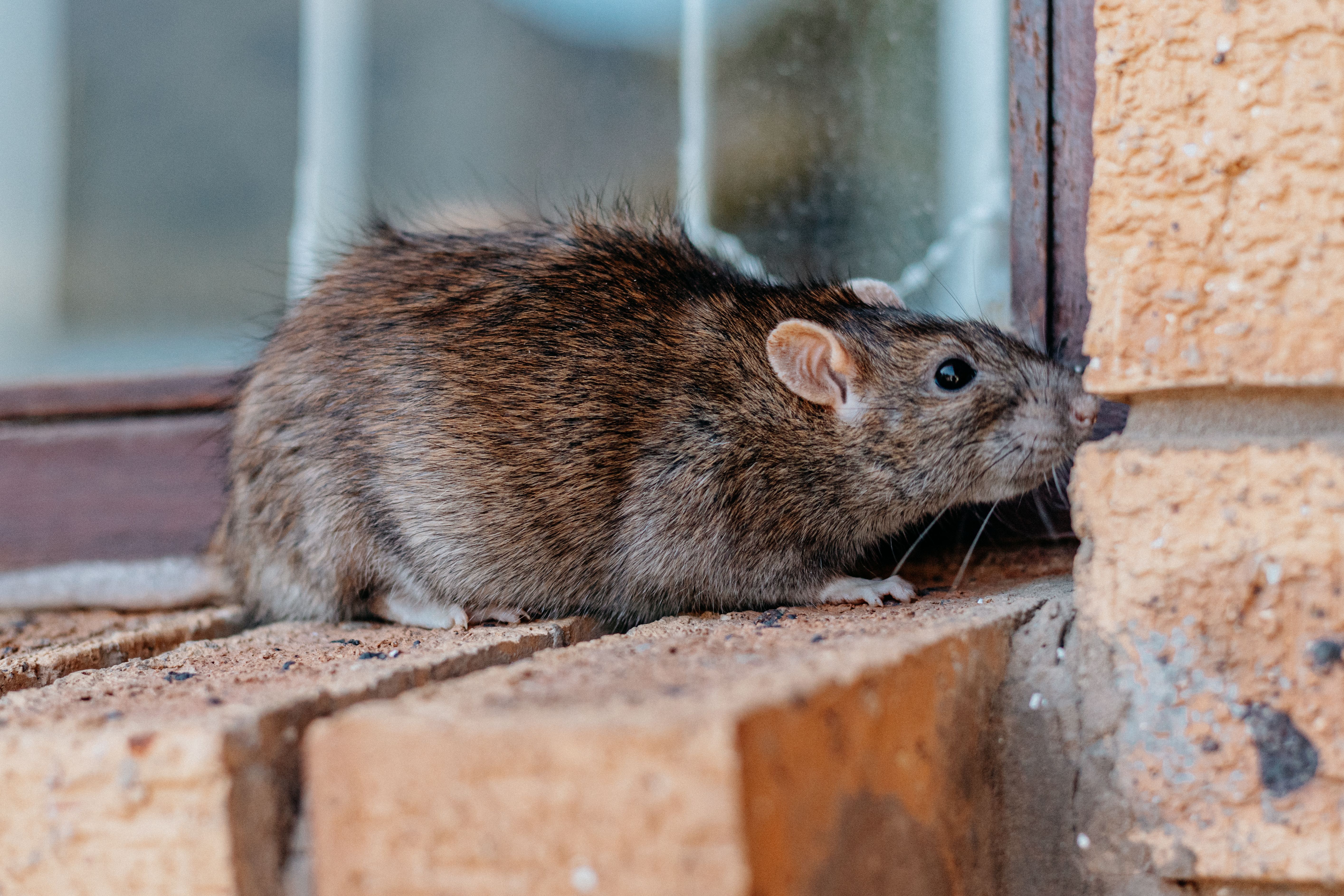
If you’ve noticed faint scratching in the walls at night, or spotted droppings along a baseboard you hadn’t seen before, you’re not imagining things — what you need is rodent control. Our team is getting calls from homeowners across Olympia, Lacey, Tumwater, and throughout Thurston County asking the same question: Why are we seeing rodent activity now?
The short answer: spring is when rodent populations quietly explode across the South Sound — and most homeowners don’t realize it’s happening until the problem is already well established. The longer answer is worth understanding, because it changes what you should actually do about it.
We’ve been helping Pacific Northwest families keep rodents out since 1963, and spring is the season where a little prevention goes a very long way. Here’s what Olympia homeowners should know, what you can do this week, and when it makes sense to bring in a professional.
Short answer: Spring is when rodent populations expand fastest across Olympia and Thurston County. The most effective response combines three things — identifying which species you’re dealing with (house mice, Norway rats, roof rats, or deer mice), sealing entry points before populations grow, and bringing in a professional for inspection and exclusion work once activity is already inside the home.
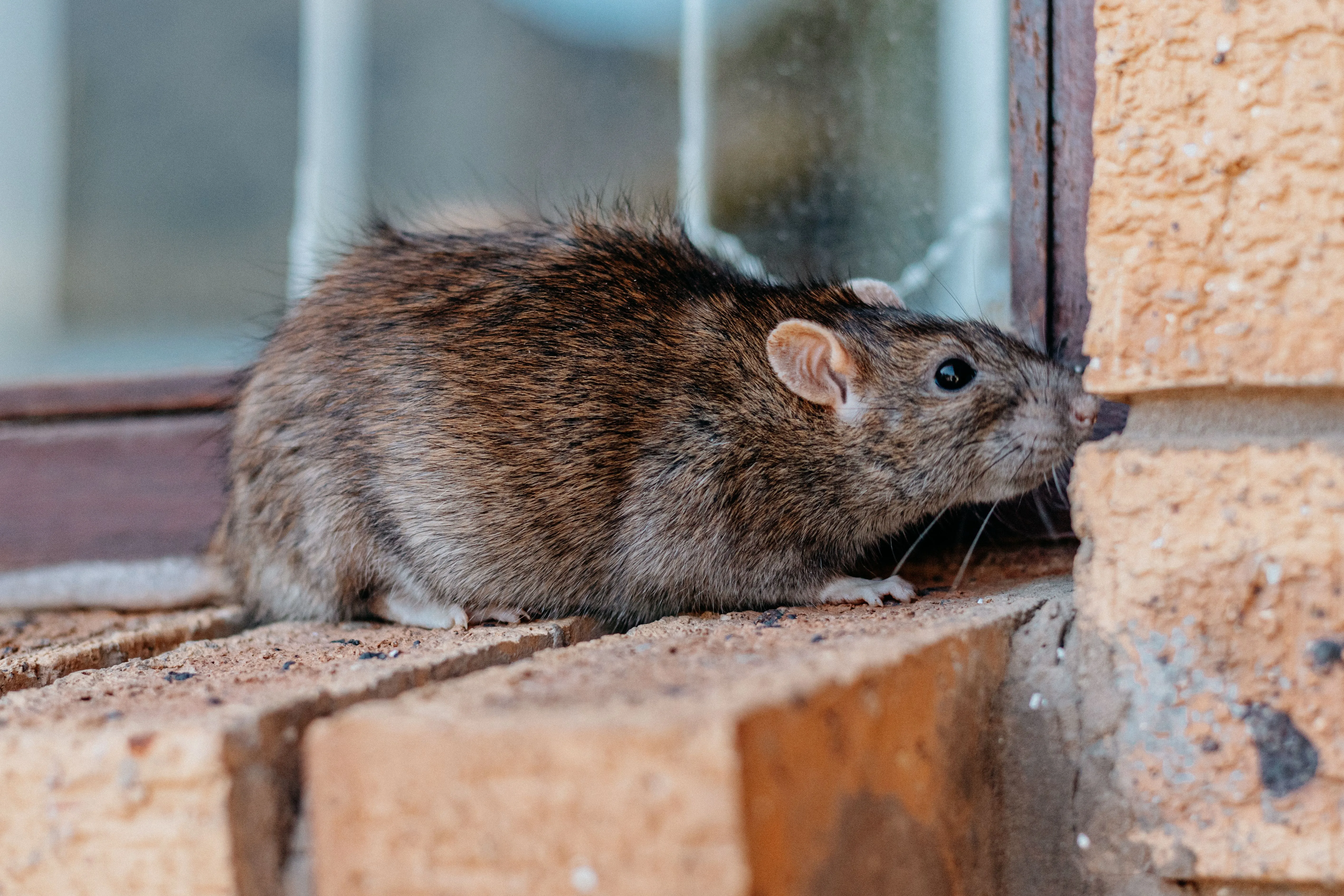
Why Is Rodent Activity Higher in Olympia in Spring?
Short answer: Rodent activity rises in Olympia every spring because warmer weather triggers reproduction and longer daylight pushes rodents out of winter shelter to forage. Olympia’s mild, damp climate and older housing stock in South Capitol, the Eastside, and West Side neighborhoods make the region especially hospitable year-round, with activity peaking March through May.
Rodents don’t disappear in winter — they just get quieter. They shelter in attics, crawlspaces, garages, wood piles, and outbuildings, surviving on stored food, pet kibble, and whatever they can forage. Then, as temperatures climb and daylight stretches, two things happen at once:
- Reproduction kicks into high gear. A single pair of house mice can produce 5–10 litters a year, and under the right conditions, a handful of mice in March can become dozens by midsummer.
- Activity becomes more visible. Rodents that were tucked deep in insulation or crawlspaces start foraging more aggressively, and that’s when homeowners begin noticing the signs.
Olympia’s climate is especially hospitable. The mild, damp winters that make the South Sound so beautiful also mean rodents rarely face a true survival pressure. Combine that with older housing stock in neighborhoods like South Capitol, the Eastside, and the West Side — plus the dense tree canopy, outbuildings, and yards backing onto greenbelts — and you have ideal conditions for year-round rodent pressure that peaks in spring.
What Rodents Are Most Common in Olympia Homes?
Short answer: Olympia homes typically see four species — Norway rats (large, ground-nesting, common in crawlspaces and along creek corridors), roof rats (smaller, nest in attics and soffits), house mice (the most common indoor rodent, can fit through a gap the width of a dime), and deer mice (more rural, the species most relevant for hantavirus concerns in outbuildings).
Not all rodents behave the same way, and knowing which species you’re dealing with changes how you respond.
Norway rats are the large, burrowing rats most common around Olympia. They nest at or below ground level — under decks, in crawlspaces, inside compost piles, and along creek corridors. They’re the species most often associated with damage to vents, foundations, and drainage systems.
Roof rats are smaller and more agile. They prefer to nest up high — in attics, soffits, and trees. If you hear scurrying overhead at night, roof rats are the likely culprit. They’ve expanded their range in Western Washington in recent years and are increasingly reported throughout the I-5 corridor.
House mice are the most common indoor rodent. They can fit through a gap about the width of a dime — roughly a quarter-inch — reproduce quickly, and tend to nest near food sources inside walls adjacent to kitchens, pantries, and utility rooms.
Deer mice are more common in rural and wooded properties — think outer Lacey, the Tumwater edges, Boston Harbor, and homes near greenspaces. They’re the species of greatest concern for hantavirus exposure, which is why droppings in attics, sheds, and outbuildings should never be swept or vacuumed dry.
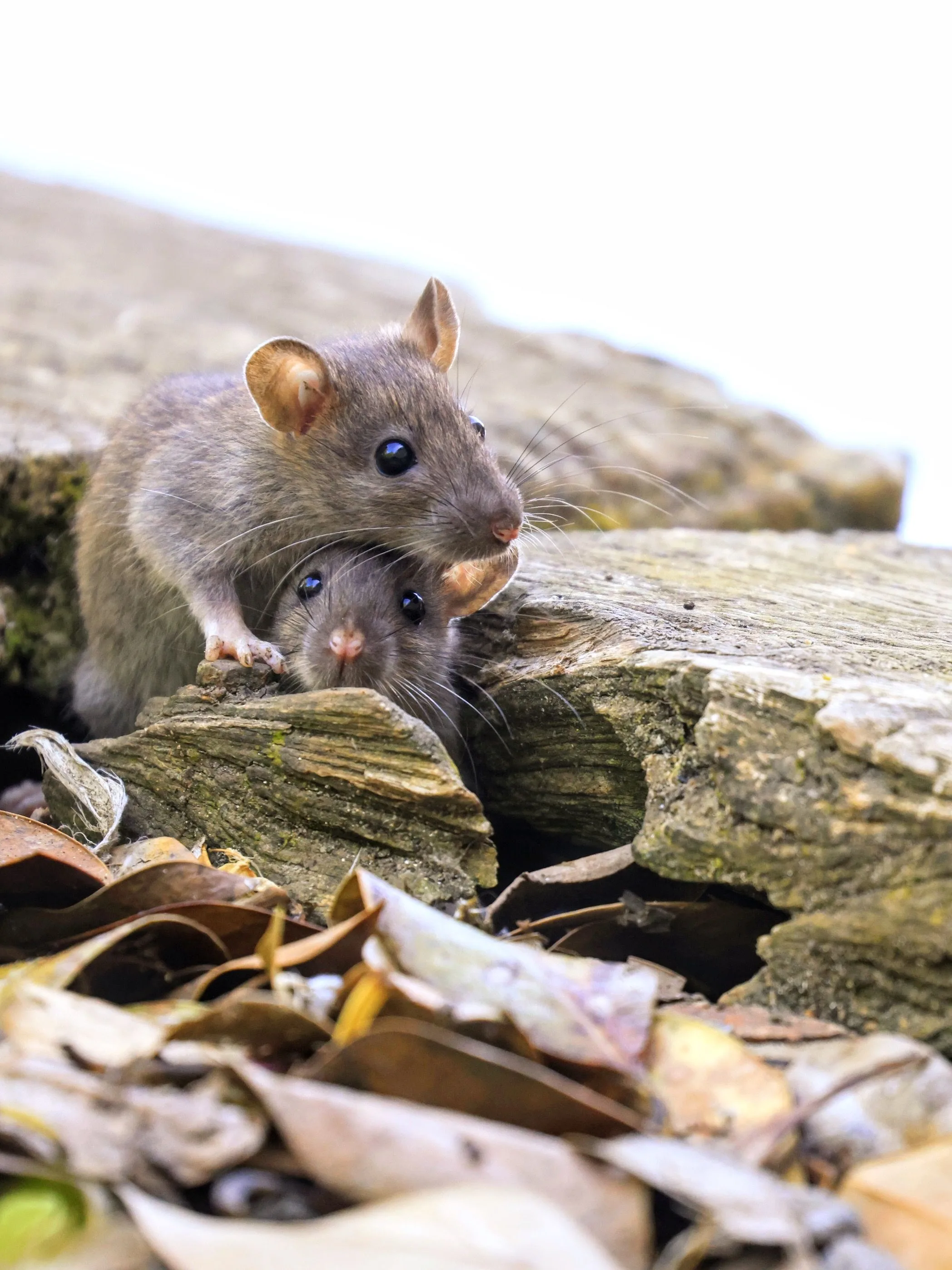
What Are the Signs of Rodents in My Olympia Home?
Short answer: The most common signs of rodents in an Olympia home are droppings along baseboards or in garage corners, gnaw marks on baseboards or food packaging, scratching or scurrying sounds after dark, a musky ammonia-like odor, and nests made of shredded insulation or fabric. Pets often notice activity before homeowners do.
Rodents are good at staying hidden, but they leave predictable clues. Any one of the following is worth a closer look:
- Droppings along baseboards, in cabinets under sinks, in garage corners, or on top of insulation
- Gnaw marks on baseboards, wood framing, plastic storage bins, or food packaging
- Scratching, scurrying, or thumping sounds in walls, ceilings, or attics — especially after dark
- A musky, ammonia-like odor in enclosed spaces like pantries or closets
- Nests made of shredded insulation, cardboard, fabric, or dryer lint tucked into quiet corners
- Greasy rub marks along walls where rodents travel the same routes repeatedly
- Pet behavior changes — dogs and cats often notice activity long before we do
If you find droppings, don’t sweep or vacuum without wetting the area first with a disinfectant. Dry droppings can aerosolize, and rodent-borne pathogens are a real — if rare — concern in the Pacific Northwest.
How Can I Prevent Rodents in My Olympia Home? (5 Steps This Week)
Short answer: The five highest-impact prevention steps are — walk your home’s perimeter looking for gaps, trim vegetation back 3 feet from the house, store pet food and dry goods in sealed containers, clean up yard debris and firewood piles, and seal obvious entry points with steel wool and caulk or hardware cloth. Mice only need a quarter-inch opening.
You don’t need a technician to start making your home less attractive to rodents. Most of the highest-impact steps cost nothing.
1. Walk Your Home’s Perimeter With Fresh Eyes
Look for gaps around pipes, dryer vents, gas lines, foundation cracks, and garage door corners. A mouse only needs a quarter-inch opening — the width of a dime. Rats need a gap about the size of a quarter. Pay special attention to utility penetrations; rodents find them quickly.
2. Trim Back Vegetation Touching the House
Roof rats travel along branches, fences, and ivy. Aim for 3 feet of clearance between the house and any shrubs, trees, or climbing plants. That single step eliminates most of the easy access points to your roof and soffits.
3. Store Food — Including Pet Food — in Sealed Containers
Open bags of dog food, bird seed, and even flour in a pantry are reliable draws. Hard plastic bins with tight-fitting lids solve most of this in an afternoon.
4. Clean Up the Yard
Bring pet food inside overnight, clean up fallen fruit, stack firewood at least 20 feet from the house, and keep compost bins sealed. Rodents in Olympia thrive on the edges of yards — firewood piles and dense landscaping are top-tier habitat.
5. Seal the Obvious Entry Points
For small gaps, steel wool packed tightly and sealed over with caulk is a reasonable DIY fix. For larger gaps — dryer vents, foundation cracks, chewed corners on garage doors — hardware cloth (¼-inch mesh) is the right material. Expanding foam alone won’t stop a determined rodent; they chew straight through it.
When Should I Call a Professional for Rodent Control in Olympia?
Short answer: Call a professional in Olympia if you’re hearing activity in walls or attics you can’t reach, finding significant droppings in insulation or crawlspaces, seeing repeat infestations after patching, or preparing to sell a home. Professional rodent control in the Olympia market typically includes a full perimeter inspection, attic and crawlspace evaluation, targeted trapping, exclusion work, and follow-up visits.
Plenty of minor rodent pressure can be managed by a homeowner. But a few situations call for a trained technician, and the reasons usually come down to access, safety, and the cost of inaction.
- You’re hearing activity in walls or attics you can’t reach safely
- You’ve found significant droppings in insulation or crawlspaces
- You’ve patched entry points before but the activity keeps coming back
- You have outbuildings, a detached garage, or a crawlspace with standing water or damaged vapor barrier
- You want a documented exclusion job — with photos and a guarantee — before listing a home for sale
A thorough inspection in the Olympia market typically covers the full perimeter, the attic, the crawlspace, and every utility penetration. Good exclusion work is about closing the building, not just removing the rodents already inside.
How Does the All Seasons Rodent Plan Work?
For homeowners who want ongoing protection, our All Seasons Rodent Plan starts at $39/month and combines an initial inspection with scheduled visits throughout the year. We identify entry points, place and monitor discreet tamper-resistant bait stations around the exterior, and return on a recurring schedule to keep pressure down through every season.
Exclusion work — sealing larger openings, repairing vents, hardware cloth installations — is quoted separately based on what your home actually needs. We never bundle it into the monthly plan, because every home is different and we’d rather quote it honestly.
If you’re already dealing with ants, spiders, or other pests, our All Seasons Pest & Rodent Bundle ($47/month) covers both on one plan.
Frequently Asked Questions
Scratching, scurrying, or thumping in walls and ceilings after dark is almost always rodent activity. House mice and roof rats are nocturnal, and the noise is usually them moving between nesting areas and food sources. If the sound is overhead and constant, roof rats in the attic are the most likely cause. If it’s closer to floor level or in wall voids near the kitchen, house mice are more likely.
A house mouse can squeeze through an opening about the width of a dime — roughly a quarter of an inch. Rats need a gap about the size of a quarter. That’s why walking your perimeter with fresh eyes is the single highest-value prevention step; gaps that look trivial are easy entry points.
For an active infestation, most homes show significant reduction within 2–4 weeks of a proper initial service plus exclusion work. Full resolution depends on how many entry points exist and how established the population was. Homes with crawlspace or attic nesting typically take longer than homes with activity limited to the garage or exterior.
Mice are smaller (usually under 4 inches, not counting tail), have larger ears relative to their head, and leave droppings about the size of a grain of rice. Rats are bigger (6–10 inches not counting tail), have proportionally smaller ears, and leave droppings closer to the size of a raisin. Behaviorally, mice are bolder and investigate new objects quickly; rats are cautious and often avoid new traps for several days.
Older homes near downtown, the Eastside, and the South Capitol area tend to see more pressure because of construction era — crawlspaces, lath-and-plaster walls, and original vents that weren’t built to current exclusion standards. Homes along greenbelts and wooded properties in outer Olympia, Boston Harbor, and Tumwater see more deer mouse and roof rat activity.
Snap traps are the most reliable indoor option and give you fast, visible confirmation of activity. Tamper-resistant bait stations placed on the exterior reduce pressure before rodents reach the home. We generally don’t recommend glue traps: they’re slow, inhumane, and catch non-target species like birds and lizards. A good plan typically combines snap traps inside with exterior bait stations outside.
It’s a fair question, and one we take seriously. We use tamper-resistant bait stations that non-target species can’t access, and we adjust product selection based on the property. If you have pets, raptors nesting nearby, or kids playing in the yard, tell your technician — we’ll build the plan around it.
If rodents can still get in, trapping alone is usually temporary. Exclusion — the work of sealing entry points with hardware cloth, vent covers, and proper door sweeps — is what turns a short-term fix into a lasting one. For minor activity caught early, trapping may be enough. For established infestations or repeat problems, exclusion is almost always necessary.
Yes. Crawlspace activity is one of the most common rodent issues we see in Olympia and the surrounding Thurston County area. The combination of mild year-round temperatures, moisture, and older vent designs creates near-ideal conditions. Signs include droppings on vapor barrier, disturbed insulation, nesting material in corners, and activity noises that seem to come from under the floor.
Yes. Our Olympia service area covers Lacey, Tumwater, and the surrounding Thurston County communities. We’ve been serving the I-5 corridor since 1963 and operate throughout Southwest Washington and Northwest Oregon.
A Quieter Home, One Step at a Time
Rodents aren’t something most homeowners want to think about, and they’re easy to put off until something forces the issue. But spring is the window where small steps make the biggest difference. Walk your perimeter this weekend. Trim back anything touching the house. Seal the obvious gaps. And if you want a second set of eyes — or you’re already past the DIY stage — we’re here to help.
The best solution, as always, is just down the road.
Trusted Rodent Control in Olympia, Lacey, Tumwater, and Thurston County
Interstate Pest Management has been serving Pacific Northwest homeowners since 1963, and our Olympia team covers the full Thurston County area — including Lacey, Tumwater, Boston Harbor, and everything in between. If you’re dealing with rats, mice, or just want to get ahead of spring rodent activity before it grows into something bigger, we’re right down the road.
Give us a call at 360-382-2451 or visit our Olympia location page to schedule service. We’d love to meet you.