Most people associate rodent problems with fall and winter — the season when mice and rats come in from the cold. And that’s not wrong. But spring rodents bring their own set of challenges that homeowners in the Pacific Northwest often don’t expect. Understanding what rodents are doing this time of year can make a real difference in protecting your home.
What Rodents Are Doing in Spring
When temperatures rise in the Pacific Northwest, rodent behavior shifts significantly. Here’s what’s actually happening:
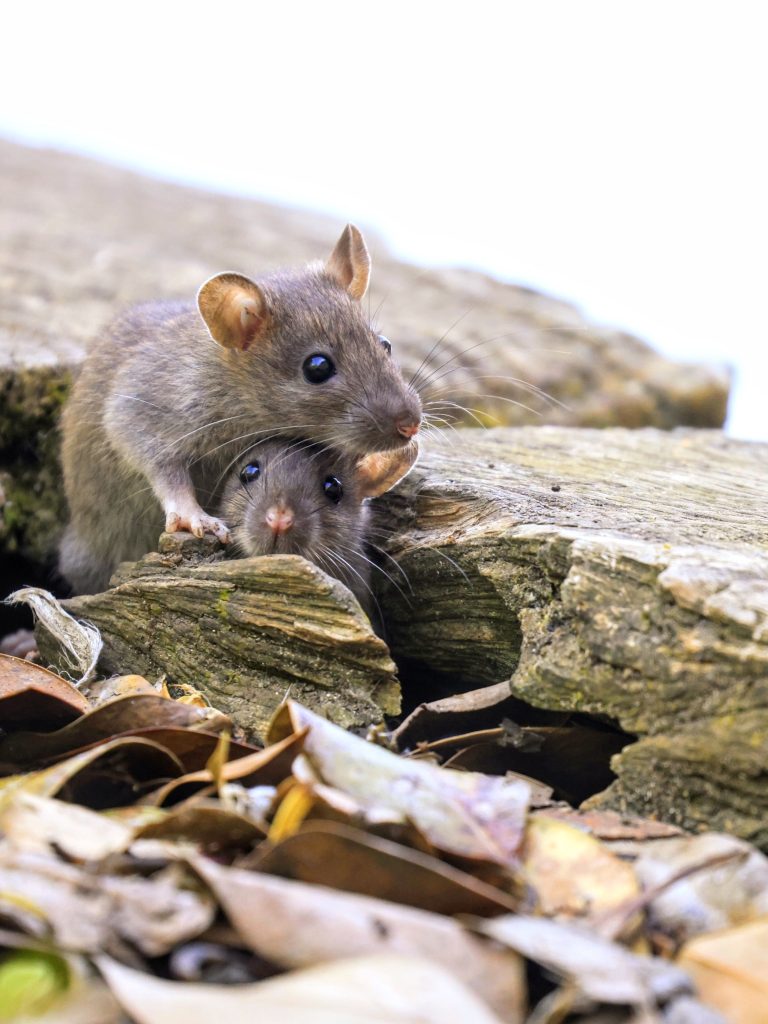
Breeding accelerates. Spring is peak reproduction season for both house mice and roof rats — the two most common rodent species in our region. According to Oregon State University Extension, a single female house mouse can produce six to ten litters per year, with each litter averaging six to eight pups. Breeding ramps up as days lengthen and temperatures climb. A spring rodent population that felt manageable in January can grow rapidly by May.
Overwintering rodents become active. Mice and rats that spent winter sheltering inside homes, wall voids, attics, and crawlspaces don’t simply leave when spring arrives. In fact, many remain — especially if they’ve found reliable food and shelter. The ones that do move back outdoors often establish nests in the yard, under decking, in woodpiles, or beneath outbuildings — and they’ll use your home as a resource even when living outside.
Foraging range expands. With more food sources becoming available — garden beds, bird feeders, compost areas, fruit trees — rodents expand their territory. This increased movement also increases the chances they’ll probe your home’s exterior for entry points.
Signs of Spring Rodent Activity
Rodents are nocturnal and rarely visible during daylight hours, so most homeowners detect them through indirect signs:
- Droppings along walls, in cabinets, behind appliances, in garage corners
- Gnaw marks on wood, plastic, wiring, or food packaging
- Nesting materials (shredded insulation, fabric, paper) in seldom-disturbed areas
- Unusual pet behavior — dogs or cats fixating on walls or certain corners
- Scratching or movement sounds in walls or ceiling at night
- Entry point evidence: rub marks (dark smudges from body oils) along baseboards or near gaps
Why Spring Is the Right Time to Act
Here’s what most homeowners don’t realize: the rodent problem you deal with next fall is often being set up right now. Populations that build through spring and summer — fed by favorable conditions and unchecked breeding — are the same populations looking for shelter when temperatures drop in October.
Addressing spring rodent activity means:
- Intercepting breeding populations before they expand
- Identifying and sealing entry points while conditions are dry (exclusion work is far easier without fall rain)
- Eliminating active interior infestations before they become established
- Reducing outdoor harborage areas that serve as staging grounds for fall ingress
What You Can Do
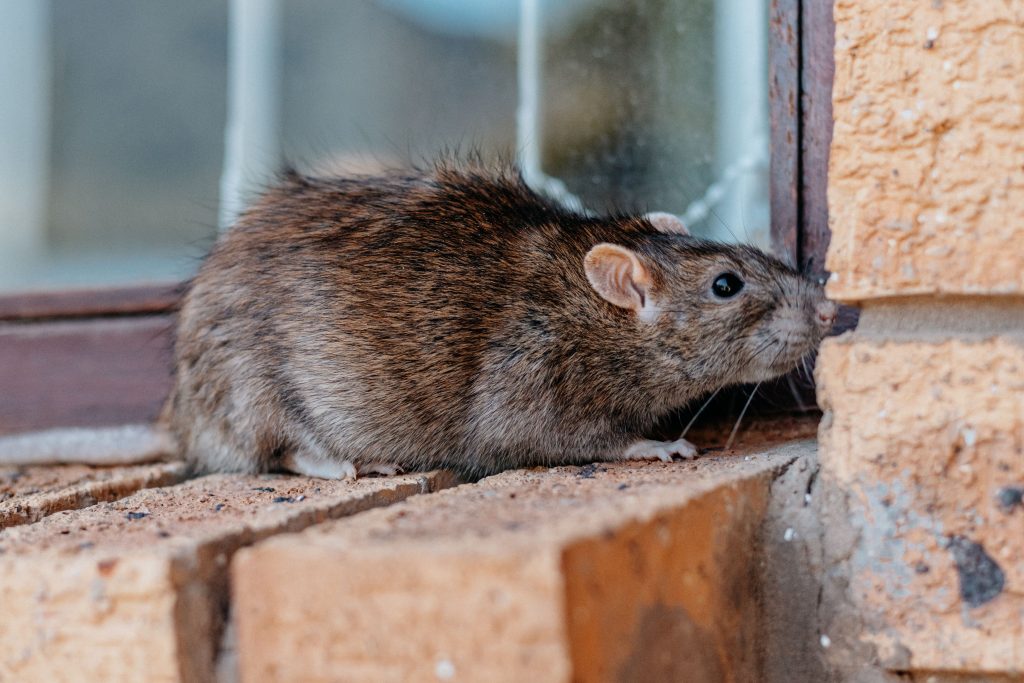
1 – Walk your property’s perimeter. Look for gaps at the foundation, around utility penetrations, beneath garage doors, and where different building materials meet. As the Oregon State University Extension notes, a house mouse can fit through a gap the size of a dime and a rat through an opening the size of a quarter. If you can slide a pencil through it, a mouse can get through it.
2 – Reduce attractants. Secure trash cans, store birdseed in metal containers, keep firewood away from the home’s exterior, and clean up fallen fruit. Eliminating food sources reduces both outdoor harborage and the motivation to enter your home.
3 – Don’t ignore early signs. A single dropping or a gnaw mark isn’t “probably nothing.” It’s almost always evidence of an active rodent. Early intervention is significantly easier and less costly than addressing an established infestation.
When to Call a Professional
If you’re finding droppings in multiple locations, hearing movement regularly, or finding evidence of gnawing on structural materials or wiring, it’s time to bring in a professional. Rodent exclusion — the process of identifying and sealing all entry points — is a technical process that requires experience and attention to detail. It’s also one of the most effective long-term solutions available.
Interstate Pest Management provides comprehensive spring rodent inspections, treatment, and exclusion work throughout the Portland metro area, Vancouver, Longview/Kelso, and Olympia. We’ve been at this for over 60 years, and our team knows rodent behavior in this region as well as anyone. If spring has you wondering about mice or rats — call us. The best solution really is just down the road.